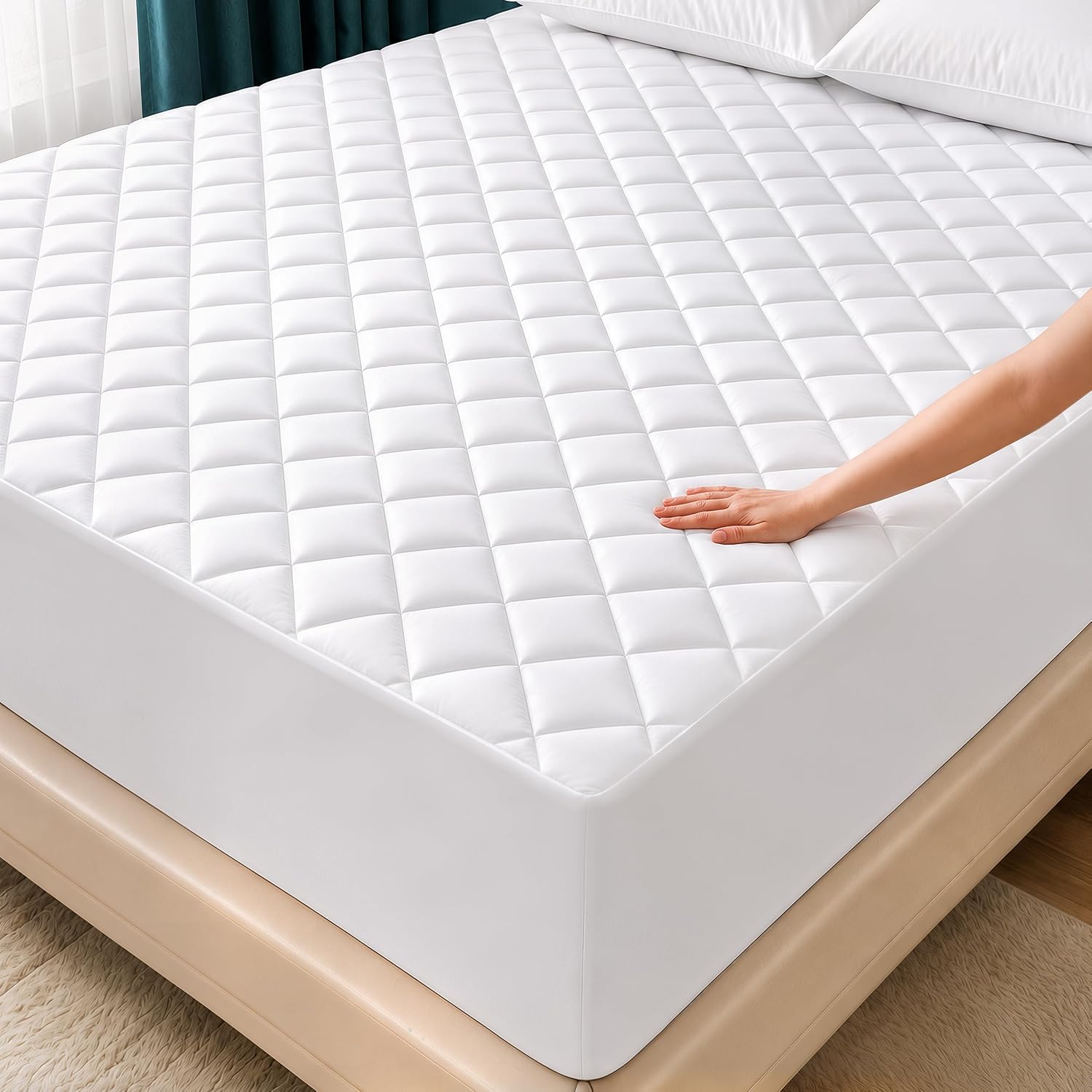
 Utopia Bedding Quilted Fitted Mattress Pad
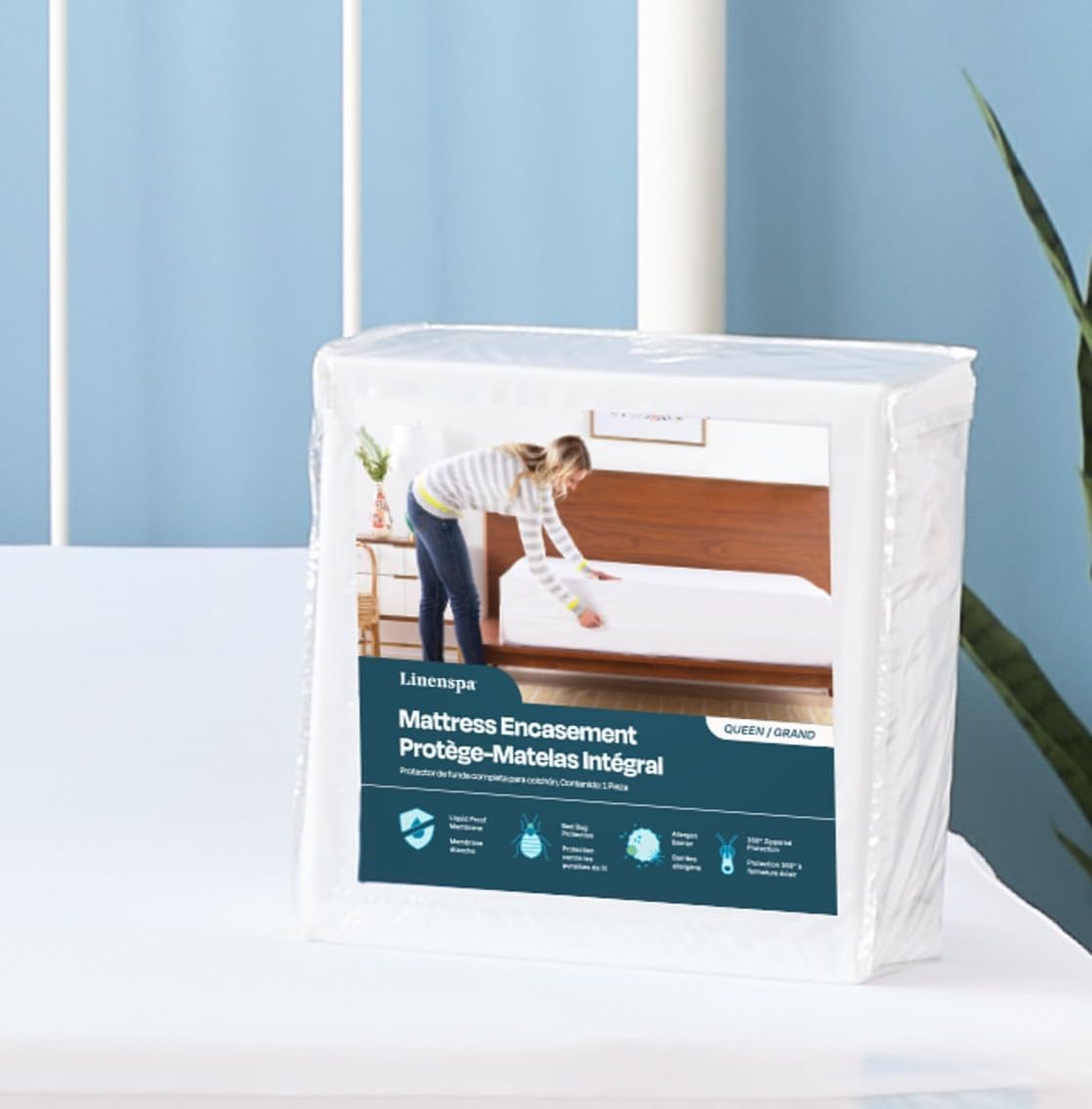 Linenspa Zippered Waterproof Mattress Encasement
A mattress protector is a cleanup convenience, not a medical or behavior solution and not a promise that every spill will stay contained. The picks above represent three useful formats. Your actual best choice depends on mattress depth, coverage, wash capacity, surface feel, and how quickly you need to remove the layer.
Quick Picks by Protector Type
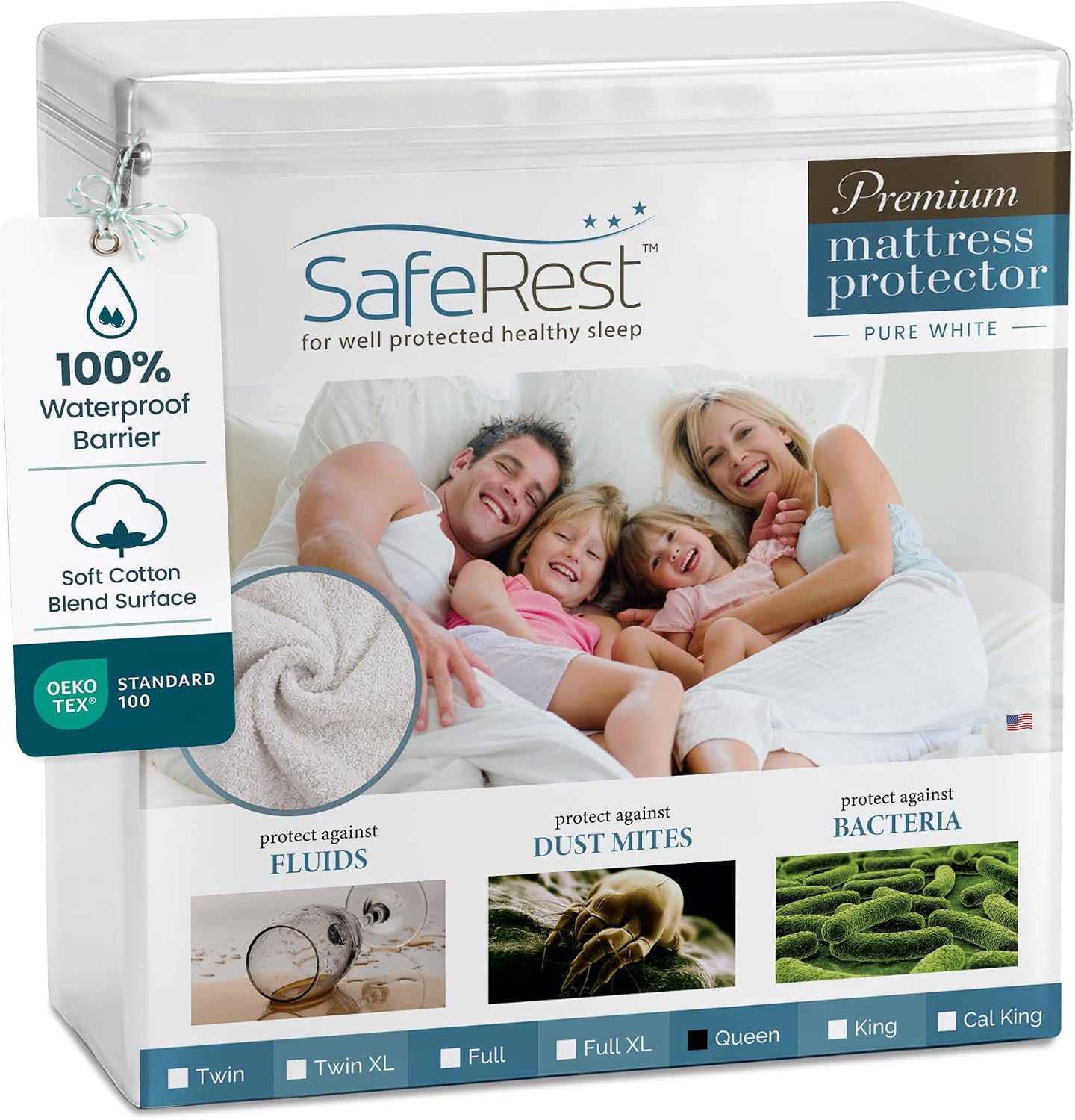
- Best fitted starting point: SafeRest fitted protector. A practical format for covering the top and sides while keeping changes similar to a fitted sheet.
- Best padded alternative: Utopia Bedding quilted pad. Compare when a soft quilted surface matters, but confirm current waterproof or water-resistant wording rather than assuming every pad blocks liquid.
- Best six-sided coverage: Linenspa zippered encasement. Useful when enclosing the whole mattress matters enough to accept a slower removal and wash routine.
Why a Fitted Protector Is the Best Place to Start
A fitted protector covers the area most likely to receive fur, damp paws, drool, dirt, or an occasional accident. It comes off much like a fitted sheet, so it is easier to wash promptly than a full encasement. That convenience matters: a protector that is too awkward for your normal laundry routine is less useful even if it offers broader coverage.
Measure the mattress height with any topper in place. Deep-pocket labels are only a starting point; compare your measurement with the current maker's fit range. A protector that strains at the corners can shift or place stress on its seams, while an oversized pocket may wrinkle under the sheet.
When a Zippered Encasement Makes More Sense
A zippered encasement surrounds the top, bottom, and sides. That broader coverage can be useful when you specifically want the entire mattress enclosed, but it takes more effort to install and remove. Large encasements may also need more washer space and drying time than a fitted protector.
Check zipper construction, closure instructions, and mattress-depth range. Do not force a tight encasement over a thick mattress or topper. If you need allergen, bed-bug, or other health-related protection, use guidance from an appropriate qualified professional and the product's verified labeling rather than assuming a general pet-owner protector provides it.
Where a Quilted Pad Fits
A quilted mattress pad adds a padded top layer and can feel less slick or crinkly than a thin membrane-backed protector. It is useful when comfort and ordinary dry-mess cleanup are the main goals. The tradeoff is that “mattress pad” does not automatically mean waterproof. Confirm the exact current product description and care label if liquid protection is important.
Padding also increases laundry bulk and drying time. Check whether your washer can handle the chosen size without crowding and whether the label allows machine drying. High heat can damage some barrier layers, so follow the product instructions instead of using your usual sheet setting by default.
Selection Criteria That Matter
- Coverage: Fitted protectors cover the top and wrap the sides; encasements surround all six sides; pads may focus mainly on the sleep surface.
- Waterproof wording: Look for the maker's current claim. Waterproof, water-resistant, and absorbent describe different levels of expected performance.
- Mattress depth: Measure the mattress and topper together, then use the listing's actual pocket or encasement range.
- Surface fabric: Cotton blends, polyester knits, terry surfaces, and quilted tops differ in texture, heat, fur cling, and drying time.
- Noise and feel: Barrier layers can feel warmer or sound crinkly. A fitted sheet may soften the effect, but owner sensitivity varies.
- Wash and dry limits: Confirm machine size, cycle, water temperature, dryer setting, bleach restrictions, and whether repeated heat affects the barrier.
- Removal speed: A fitted style is easier to strip quickly; a full encasement may require lifting or moving the mattress.
- Pet behavior: Keep exposed elastic, zipper pulls, loose fabric, and packaging away from pets who chew or swallow material.
- Mattress warranty: Follow both the mattress maker's and protector maker's care requirements, especially after a spill.
A Simple Comparison Framework
- For fur, damp paws, and routine sheet changes: choose a fitted waterproof protector.
- For whole-mattress enclosure: consider a zippered encasement if you can manage the heavier removal and laundry process.
- For extra surface padding: compare quilted pads, but verify moisture claims separately.
- For one pet sleeping spot: place a washable pet blanket above the bedding as the easy-to-change first layer, while keeping the protector below the fitted sheet.
- For recurring accidents: use a washable barrier for cleanup, but contact a licensed veterinarian about new or persistent urination, stool, vomiting, pain, or other changes.
Who Should Skip a Mattress Protector
Skip a particular protector if its pocket range does not fit your mattress and topper, its laundry load exceeds your washer's capacity, or its care requirements do not fit your routine. Owners with adjustable beds should confirm compatibility with both manufacturers, and hot or noise-sensitive sleepers may prefer a quieter fabric surface after checking return terms.
Do not treat a waterproof layer as a reason to overlook repeated accidents. Sudden or persistent changes in urination, bowel habits, vomiting, drooling, mobility, or distress deserve advice from a licensed veterinarian. A qualified behavior professional may help only after medical concerns are addressed where appropriate.
Make the Setup Easier to Maintain
Put the protector directly over the mattress and below the fitted sheet unless the maker says otherwise. Keep a spare protector or washable blanket ready so the bed is not left unprotected during laundry. Remove loose fur before washing, clean spills promptly, and make sure every layer is fully dry before remaking the bed.
For the easy-change top layer, see our guide to washable dog blankets for furniture. Use a suitable tool from our pet-hair remover comparison before laundry, and follow the label-first approach in our guide to choosing a pet stain remover when the bedding and mattress materials allow it.
The Bottom Line
Start with the SafeRest fitted protector when you want a straightforward washable barrier and your mattress falls within the current pocket-depth range. Compare the Linenspa encasement for six-sided coverage, or the Utopia Bedding quilted pad when padding matters more and its current moisture-protection wording meets your needs.
Measure first, read the current care label, and choose the format you can remove and wash promptly. The most useful protector is the one that fits without strain and supports a realistic cleanup routine.