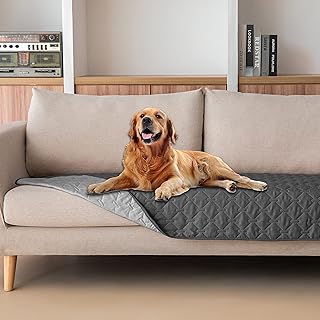
A good pet blanket sounds simple until it starts sliding off the couch, trapping hair in the weave, staying damp after washing, or smelling musty after one rainy walk. For everyday pet owners, the best blanket is not the fanciest one. It is the one that fits your pet, your furniture, and your laundry routine.
This guide walks through what to look for when choosing washable pet blankets for sofas, beds, crates, car seats, and travel bags.
Start With the Job the Blanket Needs to Do
Before comparing materials, decide where the blanket will actually live. A couch blanket has a different job than a crate blanket or a car blanket.
- For sofas and chairs: look for a soft top layer, enough size to stay tucked in, and a backing that does not slide easily.
- For beds: choose a breathable blanket that washes often without becoming stiff or lumpy.
- For car rides: prioritize coverage, quick drying, and easy shaking or brushing between washes.
- For crates or carriers: choose a size that lies flat without bunching, and avoid loose fringe or bulky edges that may invite chewing.
- For travel: pick something lightweight enough to pack but durable enough for hotel floors, outdoor patios, or guest rooms.
If your pet chews, digs, kneads, or likes to drag bedding around, durability matters more than plushness. No blanket should be considered chew-proof, and pets should be supervised with any fabric item if they tend to swallow threads, stuffing, or torn pieces.
Choose a Material That Matches Your Cleanup Reality
Most pet blankets are made from fleece, microfiber, sherpa-style fabric, cotton blends, or layered waterproof materials. Each has tradeoffs.
Fleece
Fleece is soft, warm, and usually easy to wash. It can be a good everyday option for dogs and cats that like cozy surfaces. The downside is that some fleece holds hair tightly, especially after repeated drying. If shedding is a major issue, look for smoother fleece rather than deep, fluffy pile.
Microfiber
Microfiber blankets are often lightweight, quick drying, and easy to shake out. They can work well for car seats, travel, and furniture protection. Some pets may prefer a softer or warmer texture for sleeping, so microfiber is often best as a protective layer rather than a favorite nesting blanket.
Sherpa-Style Fabric
Sherpa-style blankets feel warm and plush, which many pets enjoy. They can be useful for cool rooms or older pets who like extra comfort. They may trap hair, crumbs, and litter more than smoother fabrics, so check whether your washing machine can handle frequent cleaning before choosing a thick version.
Cotton and Cotton Blends
Cotton can be breathable and comfortable, especially in warmer homes. It may wrinkle, shrink, or take longer to dry depending on the weave. Cotton blends can be a nice middle ground if you want something less synthetic-feeling but still practical.
Water-Resistant or Waterproof Layers
Layered waterproof blankets can help protect furniture from damp paws, drool, minor spills, or the occasional accident. They are convenience items, not health solutions. If your pet is suddenly having urinary accidents, vomiting, or showing signs of illness, contact a veterinarian rather than relying on protective bedding.
Check the Size Before You Buy
A blanket that is too small becomes a rumpled towel. A blanket that is too large may drag, bunch, or overload your washer.
For furniture, measure the area you want covered, then add enough extra fabric to tuck around cushions or drape over the front edge. For a pet bed, choose a blanket large enough for your pet to turn around and nest on without pushing it completely off the bed. For crates, the blanket should sit flat and should not block airflow or interfere with the crate door.
If you share your home with multiple pets, consider two medium blankets instead of one oversized blanket. Smaller blankets are easier to rotate, wash, and use in different rooms.
Look Closely at Edges, Seams, and Texture
Small construction details make a big difference in daily use. Bound edges usually hold up better than raw edges. Tight stitching is easier to maintain than loose decorative seams. Avoid tassels, fringe, pom-poms, or dangling labels for pets who chew or paw at fabric.
Texture matters too. Deep plush can feel cozy but may collect hair and debris. Smooth fabric is easier to wipe or brush but may slide on leather or slick upholstery. If your pet is sensitive to noise or texture, avoid crinkly waterproof layers unless the product is specifically designed to stay quiet.
Make Sure It Fits Your Washer and Dryer
The best pet blanket is one you will actually wash. Check the care label before buying. Machine washable is helpful, but it is only half the story. A blanket should also dry within a reasonable time and keep its shape after repeated laundering.
For easier cleanup, choose blankets that can handle routine washing with pet-safe laundry habits. Avoid heavy fabric softeners if they reduce absorbency or leave strong scents your pet may dislike. If odor remains after washing, make sure the blanket is fully dry before storing it, and consider rotating between two blankets so one can air out completely.
Match the Blanket to Your Pet’s Temperament
A calm senior dog, a blanket-kneading cat, and an energetic puppy may all need different fabric choices.
- For diggers: choose tighter weaves and reinforced edges.
- For shedders: choose smoother fabrics that release hair in the wash.
- For anxious travelers: use a familiar blanket from home, but avoid claiming any blanket will solve anxiety or behavior concerns.
- For chewers: skip loose trim and supervise closely. If chewing is intense or persistent, ask a veterinarian or certified trainer for guidance.
- For heat-sensitive pets: avoid very thick blankets in warm rooms, cars, or direct sun.
Comfort items can support a routine, but they should not replace professional help for pain, illness, severe stress, aggression, or sudden behavior changes.
When a Waterproof Blanket Makes Sense
Waterproof or water-resistant pet blankets are helpful when you want to protect a couch, guest bed, car seat, or favorite chair. They are especially useful for muddy walks, drooly breeds, damp beach trips, and pets who like to nap immediately after coming indoors.
They are not a substitute for medical care. If accidents are new, frequent, bloody, painful, or paired with changes in appetite, energy, thirst, or mobility, contact a veterinarian.
A Simple Buying Checklist
- Will it cover the full area you need protected?
- Can your washer and dryer handle the size and thickness?
- Does the fabric release hair easily?
- Are the seams and edges secure?
- Does it avoid fringe or loose parts for pets who chew?
- Is it breathable enough for the room or travel setting?
- Does it solve a specific problem, such as couch protection, crate comfort, or car cleanup?
Related Next Steps
If your main goal is a better resting spot, compare washable covers, footprint, and drying time in our guide to washable dog beds for small apartments. For car-specific messes, a dog car seat cover may protect upholstery more reliably than a loose blanket.
Bottom Line
A washable pet blanket should make your day easier: less hair on the sofa, less worry about damp paws, and a familiar soft spot for your pet. Choose based on where the blanket will be used, how often you can wash it, and what your pet is likely to do with it. The right pick is practical, comfortable, and easy enough to keep clean without becoming one more chore.