Pet outings are easier when cleanup supplies are already packed. A small kit in the car, entryway, or travel bag can handle muddy paws, drool, spilled water, loose fur, minor messes, and the everyday surprises that come with dogs and cats on the move.
This kind of kit is not a medical solution and it should not replace veterinary care. It is simply a convenience setup for ordinary cleanup, comfort, and organization during short trips.
As an Amazon Associate, The Good Petly earns from qualifying purchases.
Product-first guide
Shop the products in this guide
Compare these affiliate product routes first, then use the guide criteria to match the product to your pet, home, cleaning routine, and safety limits.
Specific Products to Compare First
Start with these named products, then confirm current dimensions, materials, cleaning instructions, and listing details against the criteria below.
Start With the Messes You Actually See
The best pet cleanup kit is not the biggest one. It is the one that matches your normal routine. A dog who jumps into puddles after every walk needs different supplies than a cat who travels in a carrier for short vet visits.
Before buying anything, think through your most common situations:
- Muddy paws after walks, hikes, or dog park visits
- Drool, water spills, or food crumbs in the car
- Loose fur on seats, blankets, or clothing
- Waste bag needs during longer errands
- Carrier pad or blanket cleanup after a stressful ride
- Wet fur after rain, swimming, or snow
Once you know the problem, it is easier to choose supplies that earn their space.
Core Supplies for a Practical Pet Cleanup Kit
Absorbent Towels
A dedicated towel is often the most useful item in the kit. Microfiber towels are popular because they pack small, dry quickly, and handle wet paws or damp coats well. Cotton towels are easy to wash and can feel more familiar if your pet dislikes slick textures.
For large dogs, pack one full-size towel or two smaller ones. For cats and small dogs, a hand towel may be enough. Choose a color that hides dirt between washes, but wash it regularly so odor does not build up.
Pet-Safe Wipes
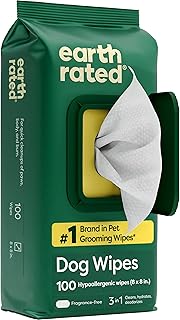
Wipes can help with paws, outer fur, drool, and quick surface cleanup. Look for wipes labeled for pets, and avoid using household disinfecting wipes directly on your pet. Many household cleaners are meant for hard surfaces, not paws, coats, or skin. For a closer buying checklist, compare pet wipes for muddy paws and quick cleanup before adding a pack to the kit.
If your pet has sensitive skin, a history of irritation, or a new reaction after using a product, stop using it and contact your veterinarian for guidance.
Waste Bags
Even if you usually keep bags on a leash or near the door, add an extra roll to the cleanup kit. Running out during a trip is annoying, and a spare roll takes very little space.
Choose bags that are easy to open, large enough for your pet, and sturdy enough for the places you visit. If you walk at night, consider a holder that clips to a leash or bag so the roll is not buried when you need it.
Waterproof Storage Bags
A washable wet bag, zip pouch, or sealable storage bag gives you a place to put damp towels, dirty wipes, or a soiled carrier pad until you get home. This is especially useful for car rides because it keeps one mess from spreading into another.
Label the bag clearly and wash or replace it as needed. Anything that holds moisture can develop odor if it is forgotten.
Lint Roller or Reusable Fur Remover
For pets who shed heavily, a lint roller can save clothing and car seats before you arrive somewhere. A reusable fur tool may be better for repeated use at home or in the car, while disposable sheets are convenient for bags and quick errands.
Use these on fabric surfaces, not directly on sensitive areas of your pet unless the product is specifically designed for grooming and your pet tolerates it calmly.
Small Mat or Seat Cover
A washable mat, crate pad, or seat cover can reduce cleanup work before it starts. This is especially helpful for dogs who ride in the same back-seat area or cats who travel in a carrier with a removable liner.
Pick materials that are washable, quick to dry, and not too slippery. For car use, make sure the setup does not interfere with safe restraint, crate placement, seat belts, or driver visibility.
Optional Extras That Can Be Worth Packing
Once the basics are covered, a few extras can make the kit more useful without turning it into luggage.
- A collapsible water bowl for warm days or longer outings
- A spare leash or slip lead for unexpected leash problems
- A small flashlight for evening cleanup
- A comb or brush for burrs, grass, or loose fur
- A roll of paper towels for car surfaces and containers
- A mild pet-safe cleaning spray for washable surfaces, used according to the label
These items are conveniences. They can help with ordinary messes, but they should not be framed as solving health, anxiety, injury, or behavior problems.
How to Store the Kit
Use one container that is easy to grab and easy to clean. A soft zip bag works well for small pets and short trips. A plastic bin may be better for muddy dogs, hiking gear, or car storage.
Good storage has a few simple traits:
- It closes securely so wipes, bags, and towels stay together
- It can be wiped out if something leaks
- It fits where you will actually keep it
- It has room for dirty items to stay separate from clean ones
If the kit lives in a car, check it during very hot or cold weather. Some products can dry out, leak, freeze, or become less pleasant to use when stored in temperature extremes.
Cleaning and Restocking Routine
A cleanup kit only helps if it is ready when you need it. After messy outings, remove damp towels and wet bags as soon as you get home. Wash reusable items, throw away used disposables, and replace anything that is running low.
A quick monthly check is usually enough for casual pet owners. If you travel often, hike regularly, or have multiple pets, check it more frequently.
Safety and Comfort Considerations
Any cleanup routine should respect your pet's comfort. Some pets dislike having their paws handled, being wiped, or hearing crinkly bags near their face. Move slowly, keep sessions short, and avoid forcing a pet through a cleanup process that is making them panic or escalate.
Contact a veterinarian if you notice skin irritation, repeated vomiting, diarrhea, blood, injury, unusual odor, sudden changes in bathroom habits, or signs of pain. If cleanup problems are tied to fear, reactivity, or severe travel distress, a certified trainer or qualified behavior professional may also be appropriate.
A Simple Starter Checklist
- One absorbent towel
- Pet-safe wipes
- Waste bags
- Washable wet bag or sealable pouch
- Lint roller or reusable fur remover
- Small washable mat, blanket, or seat cover
- Collapsible water bowl for longer outings
Keep the kit boring, compact, and easy to maintain. The goal is not to prepare for every possible disaster. It is to make the normal messes less stressful, so you and your pet can get home cleaner and calmer.
Related Travel Guides
If you want a broader errand setup, use the grab-and-go pet outing kit checklist alongside this cleanup kit. For water breaks and back-seat protection, see our guides to pet travel water bottles and dog car seat covers.