This is a selection framework based on product configurations and manufacturer-listed care considerations, not a claim that we personally tested every vacuum. It covers routine visible fur and dry debris; it does not promise allergen removal, deep carpet cleaning, or complete extraction from every fabric.
Our Shortlist by Cleanup Problem
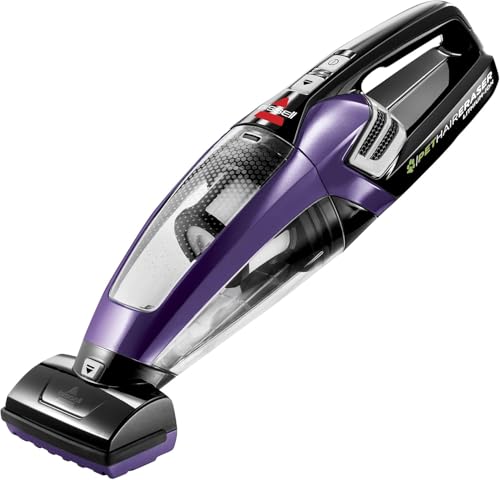
- Best concrete starting point: Bissell Pet Hair Eraser 2390A. Use it as a baseline for a compact cordless body paired with upholstery, crevice, and general cleanup tools; verify the current package contents before ordering.
- Best variety for carpeted stairs: a balanced handheld with a motorized upholstery tool. A powered tool can help lift hair from compatible fabric, but it adds weight and still needs brush maintenance.
- Best variety for seat seams and cargo corners: a slim crevice-first handheld. Prioritize a nozzle that reaches the gap without forcing the vacuum body against trim.
- Best for occasional light fur: a manual fabric tool you already own. A reusable rubber or textured hair remover may be quieter, cheaper, and easier to store when the mess is small.
Selection Criteria That Matter
- Tool-to-surface fit: Check which tools the manufacturer approves for upholstery, carpeted stair treads, floor mats, and hard cargo surfaces. Test delicate fabric in an inconspicuous spot.
- Weight and balance: Compare the complete operating weight, not just the bare unit. A tool-heavy nose can tire the wrist on vertical stair risers and seat backs.
- Reach: A narrow crevice tool should reach beside seat rails and into tread corners without scraping plastic trim or stretching you across a stair.
- Bin access: Look at capacity, release position, and whether packed fur must be pulled out by hand. Empty the bin where loose dust can be contained.
- Filter care: Follow the manual for removal, washing, drying, and replacement. Never reinstall a damp washable filter unless the manufacturer explicitly says it is ready.
- Charging: Compare charge time, charger storage, battery replacement options, and the safe outlet location you actually have.
- Tool maintenance: Powered brushes and narrow nozzles collect wrapped hair. Confirm how they open and which cleaning methods are permitted.
- Storage: Measure the complete unit with its tools. A handheld left loose in a moving vehicle can become a hazard, so store it securely before driving.
- Noise and pet comfort: Let pets move away from the sound. This is a cleanup appliance, not a behavior or noise-acclimation tool.
Comparison Framework
Motorized tool versus fixed nozzle: a powered brush can suit compatible carpet and upholstery, while a fixed nozzle is lighter and simpler to maintain. Wide mouth versus crevice-first: a wide opening covers flat stair treads quickly; a narrow tool reaches seams and corners. Large bin versus compact body: capacity reduces emptying, but a smaller unit is easier to carry and store. Charging dock versus cord: a dock creates a grab-and-go home; a simple cord may fit a drawer more easily. Replaceable versus built-in battery: replaceability can extend useful life only if the correct battery remains available.
Questions to Check Before Buying
- Does the exact package include the upholstery and crevice tools you need?
- Is the complete vacuum comfortable to hold while reaching a stair riser or seat back?
- Can you clean the bin, filter, nozzle, and brush without complicated disassembly?
- Are replacement filters, tools, and batteries available for the exact model number?
- Will the vacuum and charger fit a secure indoor or vehicle storage location?
- Do your vehicle and upholstery manuals allow vacuum brush tools on those materials?
Who Should Skip a Handheld Vacuum
Skip one if you need to clean large rooms, deep carpet, or long flights of stairs in one session; a corded machine or lightweight stick vacuum may provide better reach and capacity. Skip a powered brush on delicate, loose-weave, damaged, or manufacturer-restricted upholstery. If fur is only occasional, try a reusable manual remover first. A handheld vacuum is also a poor fit when you do not have a secure charging and storage location away from pet water, chewing, and vehicle movement.
How It Fits a Practical Cleanup Kit
Use the handheld for dry fur and crumbs in tight spaces, then empty it before packed hair restricts airflow. Keep a manual fabric tool for quick touch-ups and a separate surface-appropriate cleaner for actual stains. Our guide to pet-hair removers for sofas, bedding, and car seats covers the quiet manual route, while the car-ride cleanup kit helps organize wipes, towels, bags, and other outing supplies. If the back seat is the recurring problem, compare washable dog car-seat covers for muddy walks before adding more cleaning tools.
The Bottom Line
Start with the Bissell Pet Hair Eraser 2390A as a concrete fabric-focused comparison, then decide whether your real priority is a powered upholstery tool, a lighter fixed nozzle, or crevice reach. The best handheld is the one that matches your surfaces, feels manageable at the wrist, and can be emptied, maintained, charged, and stored without creating another chore.