
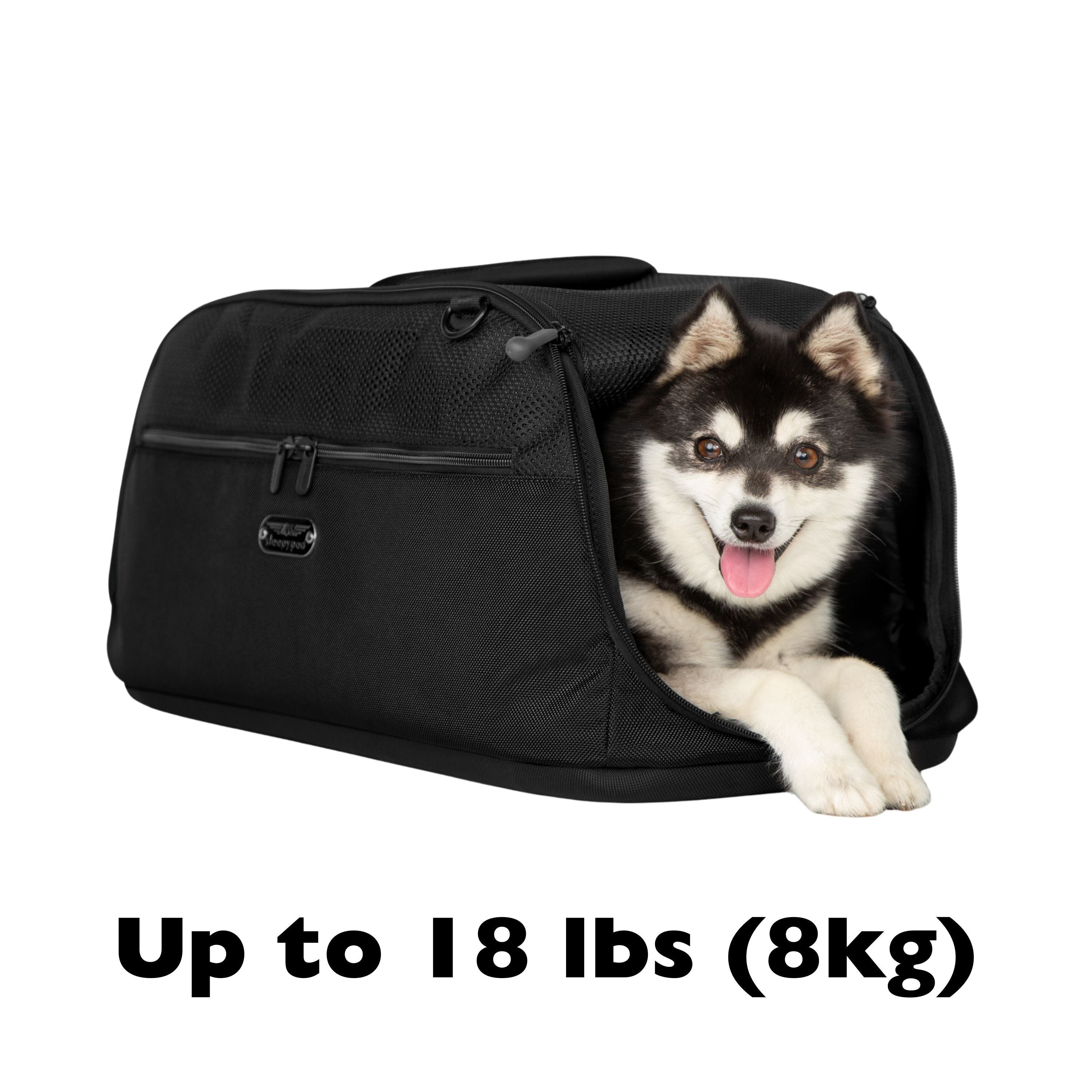
 Sleepypod Air In-Cabin Pet Carrier
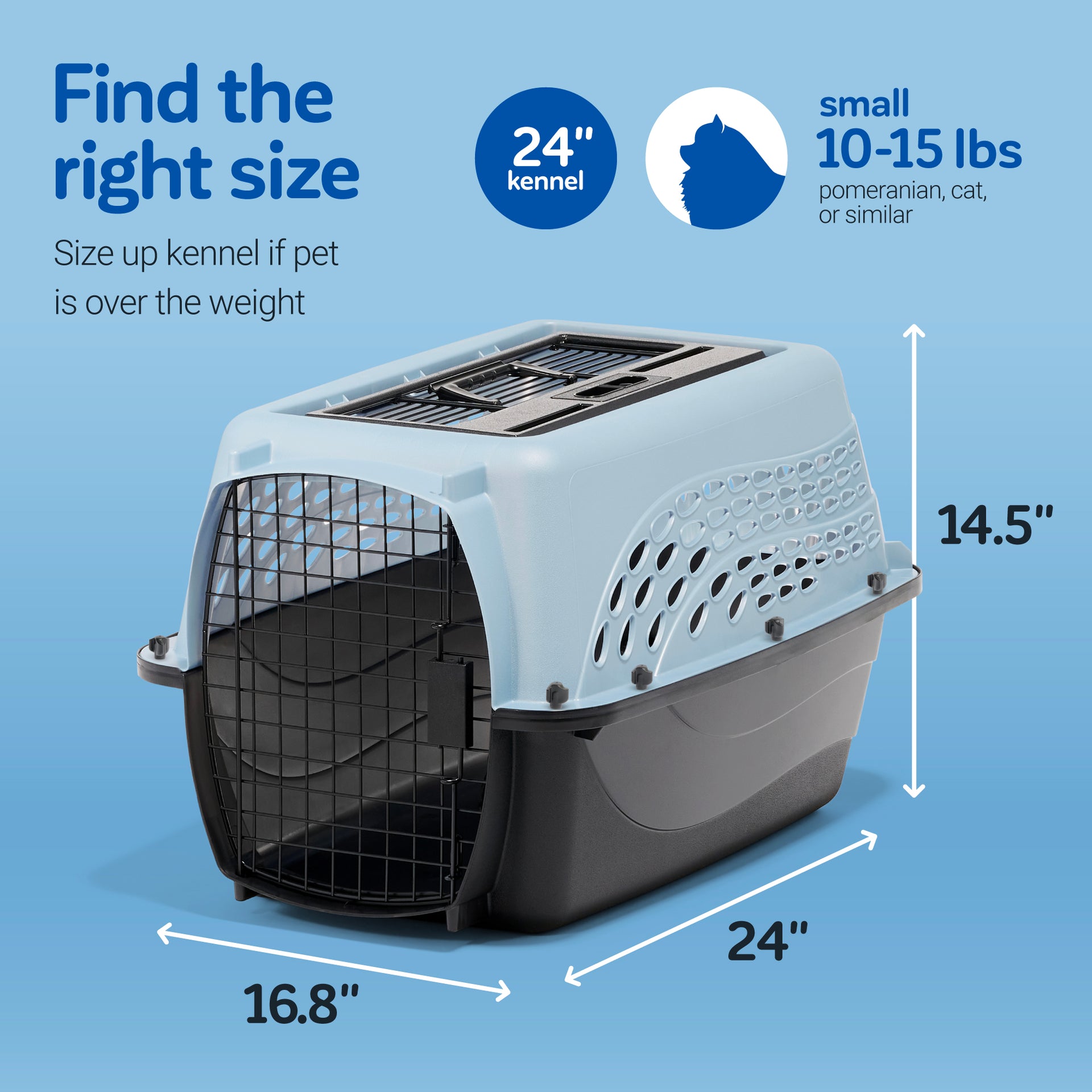 Petmate Two Door Top Load Kennel
This guide is a practical buying framework, not a hands-on test of every carrier. It focuses on short local trips, routine vet visits, errands, and calm transport for cats and small dogs. It does not make airline approval, crash-safety, medical, or behavior-treatment claims. Always follow the carrier manufacturer's limits, and ask a veterinarian or qualified trainer when travel involves pain, illness, severe fear, escape attempts, aggression, or handling that feels unsafe.
Best Overall Fit: A Sturdy Top-Load Carrier
A sturdy top-load carrier is often the easiest all-around choice for vet visits because it gives you more than one way to help a pet in and out. The top opening can be especially useful for cats and small dogs who resist stepping through a front door or who need calmer handling at the clinic.
Look for a secure latch, a door that opens fully, ventilation on multiple sides, and a base that does not flex when lifted. Skip flimsy top panels, sharp interior edges, or designs where bedding blocks the door from closing cleanly.
Best for Messy Trips: A Hard-Sided Carrier
A hard-sided carrier is a strong fit when easy cleaning matters. Smooth plastic shells are usually simpler to wipe after drool, fur, litter dust, muddy paws, or an accident during a stressful ride. They can also feel more structured when you set the carrier on the floor, in a waiting room, or in a car footwell.
The tradeoff is bulk. Hard-sided carriers take more storage space and can be awkward in tight apartments or small cars. Check the assembled dimensions, the latch style, and whether the top and bottom sections are held together securely.
Best for Lightweight Carrying: A Soft-Sided Carrier
A soft-sided carrier can be easier to carry from the house to the car or through a short errand because it is lighter and often has shoulder straps. It may also store more neatly than a rigid carrier when space is limited.
Choose one with a firm base insert, washable liner, strong zippers, and mesh that gives airflow without tempting a pet to claw through it. Skip soft-sided carriers for pets who chew, dig hard at mesh, push through zippers, or need a more structured shell to stay settled.
Best for Nervous Cats: A Removable-Top Carrier
A removable-top hard carrier can make clinic handling less dramatic because the top can lift away while the pet remains on the bottom half. That can help with routine examinations when the veterinary team decides it is appropriate.
Check that the fasteners are easy for an adult to operate but secure enough that the carrier does not separate while being lifted. A removable top is useful only if the carrier is assembled correctly every time.
Best for Hands-Free Short Walks: A Backpack Carrier
A backpack carrier can work for some calm cats and small dogs when the trip involves stairs, parking lots, or short walks where hands-free carrying helps. It should still feel stable, ventilated, and roomy enough for the pet to sit or lie in a normal position.
Backpack carriers are not the right fit for every pet. Skip them for pets who panic when carried upright, overheat easily, chew at mesh, or shift their weight so much that the carrier tips or bounces. Avoid bubble-style designs that reduce ventilation or leave the pet exposed to heat and glare.
Best for Small Homes: A Collapsible Carrier
A collapsible carrier can be useful when you live in a small apartment and need something that stores under a bed, in a closet, or beside a supply bin. It is best for calm pets and planned short trips where you can assemble and inspect the carrier before leaving.
Do not choose collapsible storage over structure if your pet is strong, anxious, or likely to press hard against the sides. Check the frame, seams, base support, and zipper paths each time you unfold it.
Selection Criteria That Matter
Start with your pet's body size and handling needs, then narrow the carrier by cleaning, storage, and trip style.
- Fit: Your pet should be able to enter, turn around, and rest in a natural position without being wedged in place.
- Weight limits: Follow the manufacturer's weight and size guidance, and leave room for bedding or a liner.
- Entry style: Front doors are common, top-load doors help with loading, and removable tops can help at some veterinary visits.
- Ventilation: Look for airflow on more than one side without sharp mesh, weak panels, or large gaps.
- Cleaning: Smooth shells, removable liners, and simple corners are easier to clean after routine messes.
- Carry comfort: Check handle placement, shoulder straps, base stability, and whether the carrier tips when lifted.
- Storage: A bulky carrier you cannot store may not be ready when you need it, but compact designs still need enough structure.
- Pet temperament: Chewers, diggers, escape artists, and very fearful pets need sturdier choices and sometimes professional guidance.
Comparison Framework
Use the carrier style to match the trip, then check the details that make daily use easier.
- Hard-sided carrier: Best when cleaning, structure, and routine vet trips matter more than compact storage.
- Soft-sided carrier: Best for calm pets and light carrying, especially when storage space is tight.
- Top-load carrier: Best when loading through a front door is stressful or awkward.
- Removable-top carrier: Best for some nervous cats because it can give a veterinary team gentler access.
- Backpack carrier: Best for calm small pets and short hands-free carrying, with extra attention to heat, bounce, and airflow.
- Collapsible carrier: Best for occasional short trips in small homes, but only when the frame is sturdy enough for your pet.
Who Should Skip a New Carrier for Now
Skip buying based on style alone if your pet escapes carriers, injures themselves trying to get out, growls or bites during loading, vomits or soils every trip, seems painful when lifted, or panics in a way that feels unsafe. A veterinarian can help rule out medical causes, and a certified trainer or qualified behavior professional can help with gradual carrier practice.
Also skip any carrier that depends on unsupported promises. A carrier cannot guarantee calm behavior, prevent injury in a crash, replace proper restraint decisions, or solve travel fear by itself.
Short-Trip Setup Tips
Put a washable liner or thin familiar blanket inside the carrier if it does not interfere with the door, ventilation, or latch. For cats, leaving the carrier open at home between trips can make it feel less like a once-a-year surprise. For small dogs, practice short calm entries before the day you need to leave.
Before each trip, check the latch, zipper, screws, seams, handle, and base. Keep the carrier level while carrying it, and avoid leaving pets unattended in a car. For heat, illness, injury, distress, or unusual symptoms, contact a veterinarian promptly instead of trying to solve the issue with gear.
Related Travel and Setup Guides
A carrier is one part of a calmer short-trip routine. For the supplies that make errands easier, build a grab-and-go pet outing kit. If cleanup is the main concern, pack a simple pet cleanup kit for car rides and day trips.
For new-pet basics beyond transport, starter pet supplies that actually help can keep the shopping list practical without overbuying extras your pet may not use.
The Bottom Line
For most everyday vet visits and short local trips, start with a sturdy top-load or hard-sided carrier if cleaning and secure structure are your priorities. Choose soft-sided, backpack, or collapsible designs only when they still fit your pet's size, temperament, ventilation needs, and handling routine.
The right carrier should make short trips easier to manage without pretending gear can replace patient training, careful handling, or professional advice when your pet needs it.