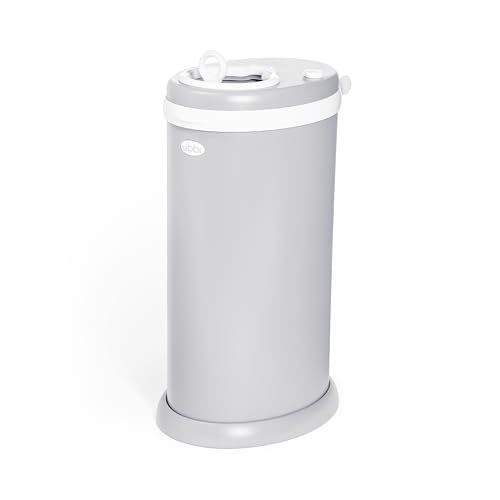
 Ubbi Steel Diaper Pail
 simplehuman 10 Liter Profile Step Can
This guide compares containment mechanics and daily-use fit; it is not based on claimed hands-on testing. No indoor pail guarantees an odor-free room. Regular emptying, cleaning, suitable litter care, and ventilation still matter.
Our Shortlist by Small-Home Routine
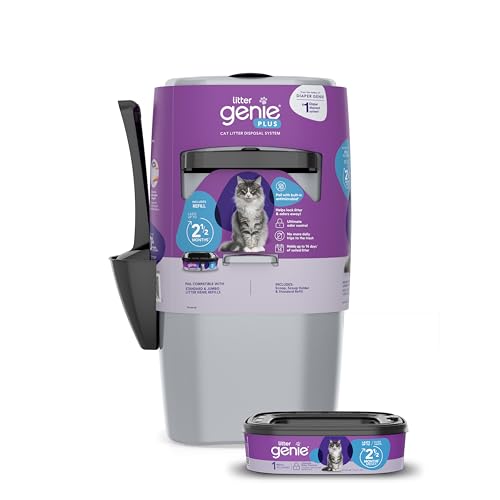
- Best compact sealed-pail starting point: Litter Genie Plus. Compare it when you scoop daily but do not want to carry each small bag outside immediately.
- Best standard-bag steel alternative to compare: Ubbi Steel Diaper Pail. This is a household diaper pail, not a cat-specific system; consider it only after checking opening size, cleaning instructions, access controls, and room fit.
- Best small step-bin alternative to compare: simplehuman 10 Liter Profile Step Can. This general household bin favors pedal access and frequent emptying rather than an internal waste-isolating mechanism.
- Best minimal setup: direct outdoor disposal. A small scoop bag taken to an outdoor trash container avoids storing waste indoors, but creates more individual bag use and more trips.
Selection Criteria That Matter
- Footprint: Measure width and depth with doors, pedals, or lids fully operating. Leave enough room to sweep around the pail.
- Opening mechanism: Sliding traps can isolate the storage chamber; pedals reduce hand contact; simple lids have fewer parts to clean.
- Refill system: Proprietary cartridges can be tidy but create recurring cost and storage needs. Check exact model compatibility rather than assuming every refill fits.
- Capacity: A larger chamber reduces trash trips but lets waste remain indoors longer. Small households may prefer a smaller pail emptied more often.
- Cleaning access: Look for smooth interior surfaces and a body you can open, wipe, and dry completely according to the maker's directions.
- Placement: Keep the system stable, away from food-preparation areas, and where pets and children cannot open, tip, chew, or play with liners.
- Material and construction: Inspect hinges, cutters, seals, pedals, and liner edges. Replace damaged parts that create sharp edges or stop closing properly.
A Simple Comparison Framework
Dedicated sealed pail versus step bin: a dedicated pail adds a barrier and compact refill workflow; a step bin is simpler and usually accepts ordinary bags. Proprietary refill versus standard liner: a cartridge can reduce tying and portion the liner, while standard bags are easier to source. Store versus remove: indoor containment saves trips, while immediate outdoor disposal leaves less waste sitting inside.
Questions to Check Before Buying
- Does the pail fit beside the litter box without blocking the cat's route or your scooping position?
- Can you operate it with one hand while holding the scoop safely?
- What exact refill does the current model require, and can you store replacements?
- How will you clean and fully dry the lid, seals, chamber, pedal, and cutter area?
- Can a curious cat, dog, or child reach the opening, loose liner, or cutting component?
- How often are you realistically willing to empty it?
Who Should Skip a Dedicated Litter Pail
Skip one if the outdoor trash is already on your normal scooping route, you dislike proprietary refills, or there is no stable spot outside food areas and pet traffic. A small lidded bin with ordinary liners may be easier to maintain. Skip any model whose opening is too narrow for your scoop waste or whose moving parts you cannot comfortably operate and clean.
Do not use a disposal pail as a reason to delay scooping. Follow the litter and box makers' care directions, and do not flush litter waste unless both the product instructions and local wastewater guidance explicitly allow it.
Health and Cleanup Boundaries
A pail is a convenience item, not a health solution. Contact a veterinarian promptly about straining, pain, blood, repeated trips with little output, sudden litter-box avoidance, diarrhea, constipation, or a major change in urine or stool. Pregnant or immunocompromised people should ask a qualified healthcare professional about litter-handling precautions.
Build the Rest of the Litter Station
Pair the disposal route with a scoop that matches the litter texture and a washable litter mat sized for the cat's exit path. If the box sits inside furniture, confirm there is still enough room to open both the enclosure and waste pail for cleaning.
The Bottom Line
Start with the Litter Genie Plus when a compact dedicated barrier and fewer outdoor trips justify buying refills. Compare the Ubbi only if a steel, standard-bag household pail suits your routine, or the simplehuman step can when frequent emptying and pedal access matter more than internal isolation. Taking each scoop directly outside is still the simplest route when practical. The best system fits the room, stays inaccessible to pets and children, and supports consistent cleanup.