
 Double-Layer Washable Litter Mat
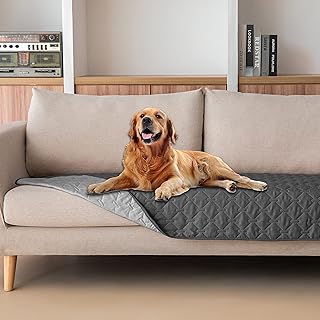 Machine-Washable Pet Blanket or Cover
This guide compares product functions and everyday fit; it is not based on hands-on testing. No odor product guarantees a permanently odor-free apartment, purifies indoor air, or explains a sudden change in your pet. Clean the source, follow the product label, ventilate when practical, and keep pets away for as long as the directions require.
Start With the Odor Zone, Not the Strongest Scent
Small rooms make fragrance and lingering moisture more noticeable, so a heavily scented spray can create a second problem without removing the first. Identify whether the odor comes from a one-time accident, a washable bed, the litter area, food waste, a trash container, or a damp entryway. Each source calls for a different product format and cleanup routine.
If you cannot locate the source, inspect washable textiles, rug pads, baseboards, the floor around litter and feeding areas, and the underside of mats. Do not combine cleaners or spray multiple formulas into the same spot. Product mixtures can damage surfaces or create unsafe fumes.
Best for Carpet and Upholstery Accidents: Enzyme Cleaner
An enzyme cleaner is the strongest first fit for a located organic mess on a surface that the product label specifically names. Blot fresh liquid first, test an inconspicuous area, then follow the stated application amount and dwell time. Too little product may not reach what soaked below the surface, while repeated oversaturation can leave an apartment damp for longer.
Rocco & Roxie is the named pick on this page because it provides a product-specific route for that common use case. Owners with wool, leather, vintage textiles, natural stone, or furniture with restrictive care codes should skip improvising and follow the surface maker's instructions or use a qualified cleaner.
Best for Litter Areas: Washable Layers and Sealed Waste Storage
For litter-box odor, the most practical “eliminator” is usually a system: regular scooping, a washable litter mat or liner, a waste container with a well-fitting lid, and ventilation that does not blow litter dust through the room. A litter deodorizer can add scent or absorb some moisture, but it cannot compensate for a box that is too small, difficult to access, or overdue for cleaning.
Choose only products labeled for the intended litter setup and follow the directions. Avoid adding perfumes, essential oils, or household powders that are not intended for pet areas. If a cat begins avoiding the box, straining, vocalizing, or changing elimination habits, contact a licensed veterinarian rather than trying to cover the odor.
Best for Bedding and Blankets: Laundry-Compatible Odor Control
When odor lives in a removable cover, blanket, or washable mat, laundering the textile according to its care label is usually more useful than spraying it in place. Check whether inserts can be washed, whether waterproof layers need low heat, and whether thick pieces can dry completely in your machine or apartment.
Use only a laundry additive intended for the fabric and washing method, measure it as directed, and avoid creating a strong fragrance load in a poorly ventilated room. Replace foam or padding that stays damp, cannot be cleaned, or continues to smell after correct washing and full drying.
Best for Trash and Food Zones: Containment Before Deodorizer
A compact lidded bin, appropriately sized liner, and frequent removal schedule usually matter more than a deodorizing disc. Pick a container you can wash inside, place it where a pet cannot tip or open it, and avoid letting damp food or soiled litter sit against unprotected cabinet surfaces.
Absorbent inserts or bin deodorizers are optional convenience items. Keep them inaccessible to pets and children, and replace them according to their label. They do not make spoiled food, litter waste, or cleaning chemicals safe to leave within reach.
Quick Comparison Framework
| Odor source | Best-fit product variety | Check before buying | Skip when |
|---|---|---|---|
| Located organic accident | Enzyme cleaner | Named surfaces, dwell time, test-area and pet-access directions | The material is not approved or professional extraction is more realistic |
| Litter area | Washable mat or liner plus sealed waste bin | Dimensions, cleaning access, texture, lid fit and storage | The cat avoids the setup or elimination habits suddenly change |
| Pet bedding | Washable cover and compatible laundry product | Washer fit, fabric care, rinse needs and complete drying | The insert cannot be cleaned or remains damp |
| Pet-food trash | Washable lidded container | Pet-resistant placement, liner fit and washability | A pet can tip, chew, or open it |
| General room smell | Source inspection and ventilation | Hidden textiles, damp areas and recurring mess zones | A fragrance product would only mask an unknown source |
Selection Criteria That Matter in a Small Apartment
- Source match: Buy for the specific accident, litter, laundry, or waste zone rather than an undefined “pet smell.”
- Surface compatibility: Carpet, upholstery, sealed hard floors, bedding, and litter areas do not share one universal formula.
- Scent level: Unscented or lightly scented options may be easier to live with in a compact room, but “natural” does not automatically mean pet-safe.
- Ventilation and drying: Check whether you can open a window, run appropriate ventilation, and keep pets off a treated area until it is fully ready.
- Storage: Favor secure caps and containers that fit a closed cabinet away from pets, children, food, and litter supplies.
- Cleaning workload: A reusable liner or washable cover is useful only if it fits your washer and can dry completely.
- Pet access: Sprays, powders, absorbent inserts, trash liners, and concentrated cleaners should not become chew or ingestion risks.
Who Should Skip an Odor-Eliminator Purchase
Skip another spray when the real need is professional carpet cleaning, replacement of contaminated padding, repair of a leak, better waste containment, or a washable layer. Also skip fragranced masking products if a person or pet in the home reacts poorly to scent, or if you cannot ventilate and follow the label's access directions.
Pause cleanup shopping and contact a licensed veterinarian when odor accompanies sudden or frequent accidents, straining, blood, vomiting, diarrhea, appetite or thirst changes, skin or ear odor, pain, lethargy, or litter-box avoidance. An odor eliminator is a cleaning convenience, not a diagnosis or health solution.
Build a Low-Drama Odor Routine
Keep one label-matched cleaner with absorbent towels and bags in a closed cleanup caddy. Put washable protection under predictable mess zones, remove litter and food waste on a regular schedule, and wash textiles before odor becomes embedded. Record which surface was treated so you do not accidentally layer incompatible products later.
For a broader cleanup setup, build a pet doorway cleanup station. If you are deciding between cleaner chemistries, read enzyme cleaner vs oxygen cleaner. Those guides cover prevention and visible stains; this page stays focused on choosing an odor-control route by apartment zone.
The Bottom Line
For a located organic mess on approved carpet or upholstery, start by comparing a label-matched enzyme cleaner such as Rocco & Roxie. For litter, laundry, and trash odors, washable barriers and secure containment are usually more dependable than adding room fragrance.
Match the product to the source, protect pets from wet surfaces and stored chemicals, and treat recurring or unusual odor as information—not something to keep masking.