Starter Pet Supplies That Actually Help
A good starter kit should make daily care easier without pretending every pet needs the same setup.
As an Amazon Associate, The Good Petly earns from qualifying purchases.
Product-first guide
Start with a stable, easy-clean bowl
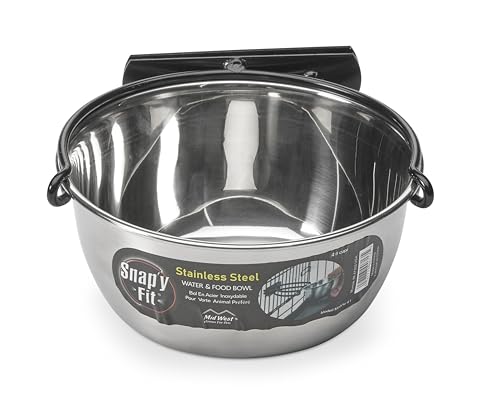
A crate-mounted stainless steel bowl can help pets that tip or push loose bowls. Confirm the bowl size, mount compatibility, crate placement, and cleaning instructions before buying.
Specific Products to Compare First
Start with these named products, then confirm current dimensions, materials, cleaning instructions, and listing details against the criteria below.
MidWest Stainless Steel Snap'y Fit BowlFor pets that push or tip loose bowls; confirm capacity and crate-bar compatibility.
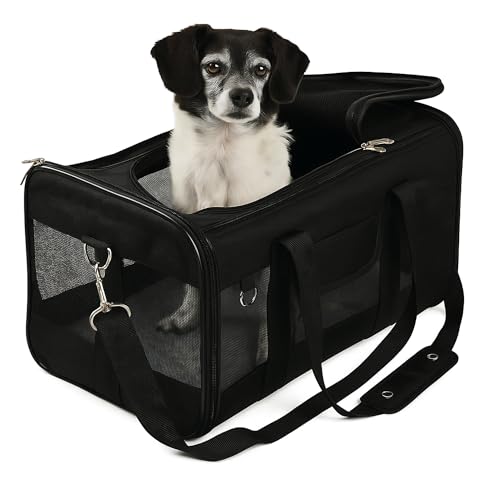 Sherpa Original Deluxe CarrierFor vet visits and short trips; confirm pet fit, ventilation, closures, and liner care.
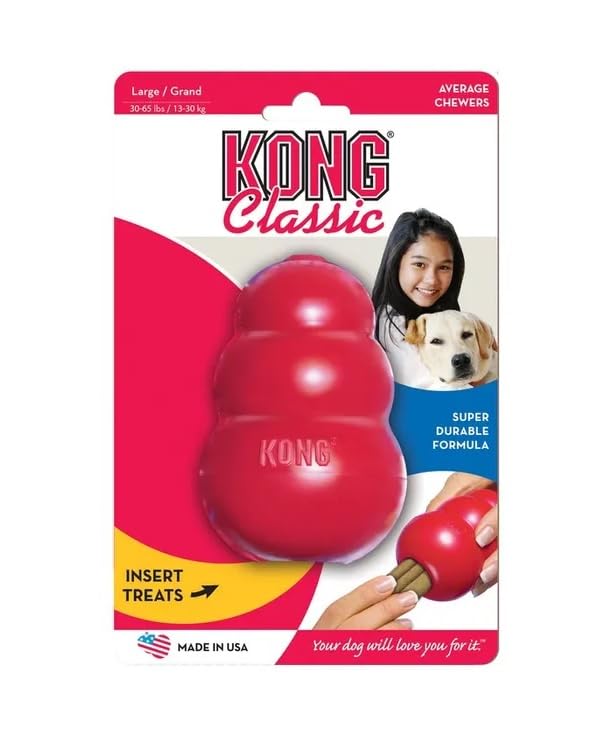 KONG Classic Dog ToyFor short supervised enrichment sessions; choose the correct size and inspect it for damage.
Build the starter kit by problem: pick the category guide that matches the first routine you need to make easier.
- Starter food and water bowl sets for choosing between separate bowls, catch trays, and low stands.
- Feeding-station worth-it test for deciding whether to set up, simplify, or skip before buying more pieces.
- Automatic feeders for scheduled dry meals when a verified dispensing routine, power plan, and daily in-person checks solve a real scheduling need.
- Feeding-mat worth-it test for deciding whether recurring crumbs or drips justify a dedicated mat or an existing washable layer is enough.
- Bowl splash-guard worth-it test for deciding whether side or wall splash justifies an upright barrier.
- Feeding station setup for bowls, mats, sealed food storage, and daily wiping.
- Use the pet food prep mat worth-it test before buying; if a dedicated surface earns its place, compare washable prep-mat formats for small counters, then silicone and washable fabric mats when material and care are the remaining decision.
- Pet food scoop decision guide for deciding whether a dedicated scoop improves the routine or duplicates a measuring cup; then compare silicone and stainless steel scoop formats if material is the remaining choice, or choose between a wall-mounted and countertop scoop holder when clean, dry storage is the remaining problem.
- Use the reusable pet food label worth-it test before buying; if another label earns its place, compare clip-on versus write-on formats without covering maker information.
- Fridge organizers for covered open pet food cans when several properly covered cans need measured containment, clear retrieval, and an easy-to-clean tray or bin.
- Clear versus opaque pet food storage containers when body visibility, retained package information, pantry placement, and cleaning are the unresolved choices.
- Pet supply cart decision guide for deciding whether wheels justify their footprint or a caddy or fixed shelf is simpler.
- Washable pet-supply cart shelf pads for an existing cart that needs a removable cleanup layer fitted inside each shelf.
- Silicone versus fabric feeding mats for matching spill containment, laundry, drying, and floor fit to the feeding area.
- Single-bowl versus double-bowl feeding mats for matching usable footprint, bowl spacing, spill coverage, and wash-and-dry handling to the room.
- Washable wall guards for pet feeding areas when an established bowl spot leaves routine marks on a compatible nearby wall.
- Carrier fit and cleaning for vet visits, errands, and short trips.
- Supervised enrichment toys when boredom, novelty, or short activity sessions are the problem.
Start with daily routines
Think through feeding, cleanup, grooming, travel, rest, and enrichment before buying a cart full of supplies. The right starter list depends on what your pet does every day, where the routine gets messy, and which items you can clean, store, and supervise without friction.
For most new dog and cat owners, the first useful purchases are not the fanciest ones. They are the supplies that make ordinary care repeatable: a stable feeding spot, a washable comfort layer, a cleanup plan, a safe way to travel, and a few supervised enrichment options.
Starter categories worth buying first
Most owners benefit from easy-clean bowls, washable bedding, secure storage for food, cleanup supplies, enrichment toys, and a travel-ready carrier or harness setup. Choose each item because it solves a specific routine problem: spills, fur, nervous travel, boredom, muddy paws, litter tracking, or a resting spot that is easy to keep clean.
- Feeding basics: Start with sturdy bowls, a practical food-storage method, and a wipeable or washable surface under the feeding area.
- Cleanup basics: Keep towels, waste bags, pet-safe wipes, stain-remover supplies, and a place for damp items within easy reach.
- Comfort basics: Choose one bed, blanket, or mat that fits your space and can be cleaned before adding extra cozy spots.
- Travel basics: Pick a carrier, crate, harness, leash, or car setup that matches how your pet will actually leave the house.
- Enrichment basics: Use a few supervised toys or puzzles instead of a crowded toy bin your pet never fully uses.
If you are still sorting out the basics, start with one stable feeding setup, one easy-wash comfort layer, one cleanup kit, and one supervised enrichment option. You can add more once you see what your pet actually uses.
How to choose without overbuying
Before buying a starter item, check size, material, cleaning instructions, storage, and whether your pet can use it safely with their temperament. A supply that is technically popular may still be wrong if it slides around, traps odor, takes too long to dry, blocks a doorway, or becomes a chewing target.
Think in replacement paths, too. A growing puppy may outgrow a small bed. A nervous cat may reject a loud fountain. A heavy shedder may need washable covers before another brush. Starter supplies should make the next week easier while leaving room to adjust.
Simple upgrades that connect to real problems
A low-mess pet feeding station can help with bowl splash, crumbs, and food storage. If water drips, litter scatter, crate traffic, or muddy paws are the main issue, compare washable pet mats for food, litter, and crate areas before buying the largest mat you can find. If a fountain is part of the starter setup, compare cord organizer formats for its measured route without treating an organizer as a fix for poor placement or damaged equipment. For the separate post-wash counter routine, first decide whether a dedicated pet bowl drying rack is worth it, then compare drying mats for bowls and fountain parts.
Before adding water capacity, compare a gravity water dispenser with a standard bowl by lifting, visibility, cleaning, footprint, and access.
For a first food-and-water setup, compare separate bowls, catch-tray sets, and low stands before buying a bundle. If repeated water-bowl top-ups become a real routine problem, use the gravity water dispenser worth-it test before adding a bulky reservoir. Before adding a storage bin, compare an airtight container with keeping food in its original bag, then decide whether open or lidded bin access fits the pantry. For bulk bags, compare wheeled and stackable pet-food storage layouts by route, lifting, access height, and labeling. If the setup is already messy, compare no-spill pet bowls for messy drinkers, pet food storage containers for small kitchens, and washable mats for a floor-standing food bin before adding more storage furniture. For larger dry-food bags kept in a pantry or utility room, use the separate guide to pet food storage bins with wheels instead.
Washable pet blankets are useful when your pet claims the sofa, crate, bed, or car seat. For small rooms and apartments, a focused pet bed for small spaces may be better than a bulky bed that blocks daily movement. If the setup also needs a room boundary, first compare a pet gate with an exercise pen; use the small-space pet gate decision test when a doorway gate appears to fit. If an otherwise intact pen later loses a removable connector, check the exercise-pen replacement clip guide before buying hardware.
For supplies that move between rooms, first decide whether a rolling pet supply cart earns its footprint or a smaller caddy and fixed storage will do. If the caddy is the better fit, compare rigid and soft-sided caddy construction by loaded shape, cleaning, drying, carrying, and empty storage. If the supplies should stay in one place, first decide whether an over-door organizer earns space on a compatible door, then compare under-bed and over-door storage by unused space and access frequency or over-door and wall-mounted organizers by mounting method. For short errands and park visits, a pet cleanup kit for car rides and day trips keeps towels, wipes, waste bags, and a wet bag in one place. If outings are frequent, pair that with a practical pet travel water bottle, a pet carrier for vet visits and short trips, or a dog walking bag for cleanup essentials when those fit your routine.
What to skip at first
Skip products that only sound useful because they are marketed as must-haves. Oversized beds, complicated feeders, heavy grooming kits, novelty toys, extra outfits, elaborate furniture, and specialty gadgets can wait until you know your pet's size, chewing habits, cleanup needs, confidence level, and temperament.
No starter supply should be treated as a medical, behavior, or training solution on its own. A slow feeder, water fountain, puzzle toy, calming bed, litter mat, or cleanup product can support a routine, but it cannot diagnose a problem or replace professional guidance.
A simple starter checklist
- Does this item solve a problem you already have or a routine you know will happen every day?
- Can you clean it in the way the product requires?
- Does it fit your pet's current size without creating a tripping, chewing, or access problem?
- Can it be supervised or put away if your pet chews, paws, guards, flips, or avoids it?
- Will it still make sense if your pet grows, sheds more, travels more, or changes favorite resting spots?
When to ask a professional
If a behavior or health issue changes suddenly, product shopping is not the first answer. Talk with a licensed veterinarian or qualified trainer when care decisions become medical or safety-related, especially with appetite changes, bathroom changes, repeated vomiting, pain, limping, injury, severe anxiety, aggression, or sudden behavior shifts.
For more practical articles, visit The Good Petly blog. For more on our editorial approach, read About The Good Petly.