A good pet cleanup routine does not need to take over your entryway. For many households, the easiest fix is a small, repeatable station near the door your pet uses most. The goal is simple: keep the supplies you already reach for in one place, make cleanup quick, and reduce the chance that mud, water, fur, grass, or tracked litter spreads through the house.
As an Amazon Associate, The Good Petly earns from qualifying purchases.
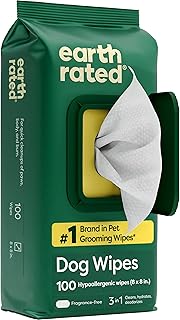
Product-first guide
Shop the products in this guide
Compare these affiliate product routes first, then use the guide criteria to match the product to your pet, home, cleaning routine, and safety limits.
This guide focuses on everyday cleanup after walks, backyard breaks, rainy weather, and normal pet messes. If wet-coat cleanup is the recurring problem, compare a microfiber dog towel with a wearable towel robe before adding another item to the station. If your pet has skin irritation, repeated licking, limping, wounds, unusual odor, bathroom accidents, or sudden changes in coat or behavior, check with a veterinarian instead of treating cleanup as the solution.
Specific Products to Compare First
Start with these named products, then confirm current dimensions, materials, cleaning instructions, and listing details against the criteria below.
Start With the Mess You Actually Have
Before buying anything, notice what happens in your home most often. A dog who comes in with wet paws after every walk needs different supplies than a cat who tracks litter near a side door or a senior pet who dribbles water after drinking.
Common doorway cleanup problems include:
- Muddy or sandy paws after walks
- Wet coats after rain or snow
- Grass, leaves, or burrs caught in fur
- Litter granules tracked away from the box area
- Food, treat crumbs, or water bowl splash near an entry zone
- Leash, harness, and waste-bag clutter
Once you know the main problem, you can build a station around that job instead of filling a basket with products you rarely use.
Choose the Right Spot
The best place is usually not the prettiest corner. It is the spot where your pet naturally pauses when coming inside. For many homes, that is a mudroom, back door, laundry room, garage entry, or a small area beside the main door.
Look for a place with enough room for your pet to stand without feeling crowded. If your pet is nervous about handling, keep the setup open and predictable. Avoid wedging the station into a tight corner where you have to lean over the pet awkwardly.
If you rent or have limited space, a slim basket, wall hook, washable mat, and towel can be enough. The station should make your routine easier, not become another area to maintain.
The Core Supplies
A basic cleanup station can be built with a few practical items. Choose materials that are easy to wash, dry quickly, and fit your pet's size and temperament.
1. Washable Entry Mat
A washable mat gives paws somewhere to land before your pet walks across floors or rugs. Look for a low-profile mat that does not slide easily, especially if your pet is small, older, or hesitant on slick surfaces.
Consider:
- Size: Large enough for your pet to stand with all paws on it
- Backing: Non-slip backing or a rug pad for hard floors
- Cleaning: Machine-washable or easy to hose off
- Texture: Absorbent enough for damp paws but not so rough that your pet avoids it
A mat is a convenience item. It helps contain everyday mess, but it is not a substitute for checking paws if your pet may have stepped on something sharp, hot, icy, or irritating.
2. Dedicated Pet Towels
Keep two or three towels near the door so you are not hunting for one with a wet pet waiting. Microfiber towels can be useful because they absorb water well and dry quickly, but any washable towel that feels comfortable against your pet's coat can work.
For larger dogs, a bigger towel makes it easier to dry the chest, belly, and legs. For cats or small dogs, a soft hand towel may be less overwhelming. Wash towels regularly, especially if they collect dirt, saliva, urine, or outdoor debris.
3. Paw Wipes or a Damp Cloth
Pet-safe wipes can be convenient for quick cleanup, especially after city walks, light mud, or dusty paths. A damp cloth is often enough for routine messes and creates less waste.
When choosing wipes, avoid heavily scented products if your pet is sensitive to smells. Use products as directed and stop using them if your pet shows irritation. Do not use household cleaning wipes on paws or fur unless the label clearly says they are safe for pets.
4. A Small Brush or Comb
A simple brush near the door can help remove loose dirt, dry leaves, or outdoor debris before it travels inside. Match the brush to your pet's coat type. A short-coated dog may only need a soft bristle brush, while a long-coated pet may need a gentle comb for surface debris.
Do not force brushing if your pet is uncomfortable. If mats, burrs, or tangles are tight, painful, or close to the skin, a professional groomer or veterinarian is the safer choice.
5. Waste Bags and a Small Trash Plan
If the station is near your walking route, keep waste bags there too. A small covered bin may help, but only if it is emptied often. In warm weather, odor can build quickly, so a sealed outdoor disposal routine may be better.
For cat households, this idea can also apply near litter areas: a small hand broom, dustpan, and washable litter mat can keep tracking under control without turning every cleanup into a full chore.
Helpful Add-Ons for Specific Homes
Once the basics are covered, add only what solves a real problem in your home.
For Rainy Climates
A hanging hook for a raincoat, harness, or wet leash can keep damp gear off the floor. Choose rust-resistant hooks and give items enough space to dry. If your dog wears a coat, make sure it fits comfortably and does not rub around the shoulders, belly, or legs.
For Muddy Yards
A shallow rinse cup or portable paw washer may help with heavier mud. Introduce it slowly and use lukewarm water. Some pets dislike having paws placed into a container, so a damp towel may be calmer and more practical.
Dry paws afterward, especially between toes, because trapped moisture can bother some pets. If you notice redness, swelling, odor, limping, or persistent licking, contact a veterinarian.
For Shedding Seasons
Keep a lint roller or washable grooming mitt near the door for quick touch-ups. This will not replace regular grooming, but it can reduce fur on entry rugs, car seats, and clothes.
For Nervous Pets
Make the station quiet and predictable. Use the same order each time: step on mat, towel paws, quick praise, done. Keep sessions short. For pets who panic, growl, snap, hide, or struggle during handling, ask a certified trainer or qualified behavior professional for help with cooperative care.
How to Make Cleanup Easier on Your Pet
A station works best when it feels routine, not like a surprise inspection. Start with tiny steps. Let your pet stand on the mat, sniff the towel, and walk away. Reward calm cooperation with praise, a treat, or access to the next part of the routine.
Handle paws gently. Many pets are sensitive about their feet. Instead of grabbing and holding, try briefly touching, wiping, and releasing. If your pet pulls away, slow down. The point is to build a habit you can repeat every day.
Supervise anything your pet might chew, including wipes, towel corners, brushes, storage baskets, and mat backing. Practical supplies still need to fit the pet in front of you.
A Simple Five-Minute Setup
If you want the quickest version, start with this:
- Place a washable non-slip mat inside the main pet entry.
- Add two clean towels in a basket or on a low shelf.
- Keep pet-safe wipes or a damp-cloth container nearby.
- Hang leash, harness, and waste bags on a hook.
- Add a small brush if your pet often brings in grass, leaves, or loose fur.
Use the station for a week before adding more. If a supply stays untouched, remove it. If you keep walking across the room for the same item, move that item into the station.
Cleaning the Cleanup Station
The station itself needs a routine too. Wash towels before they smell musty. Shake or vacuum the mat often, then wash it according to the care label. Rinse brushes or combs when they collect dirt. Replace wipes if they dry out or if the package becomes dirty.
For homes with multiple pets, separate towels may be helpful if one pet is especially muddy, drooly, or sensitive. If a mess involves blood, vomit, diarrhea, a strong unusual odor, or repeated accidents, cleanup is only the first step. Contact a veterinarian for guidance.
Product Advice Without Overbuying
The best products for a doorway cleanup station are boring in the right way: washable, sturdy, appropriately sized, and easy to reach. A premium mat or towel is not automatically better if it is hard to clean or too bulky for your space.
When comparing products, focus on:
- Fit: Does the mat or towel match your pet's size?
- Material: Is it soft enough for regular contact and durable enough for washing?
- Cleaning: Can you launder, rinse, or wipe it easily?
- Stability: Will it slide, bunch, or become a trip hazard?
- Temperament: Will your pet tolerate the texture, sound, or handling involved?
- Storage: Can you keep it near the door without clutter?
For many households, the right station costs less than a new rug cleaning. More importantly, it makes the everyday transition from outside to inside calmer for both you and your pet.
Bottom Line
A doorway cleanup station is not about creating a perfect home or a perfect pet. It is about putting the right supplies where the mess happens. Start with a washable mat, towels, and one simple paw-cleaning option. Add tools only when they solve a real problem.
Keep the routine gentle, watch your pet's comfort, and treat unusual symptoms or sudden behavior changes as a reason to call a veterinarian or qualified professional. For ordinary mud, rain, fur, and tracking, a small station can make daily pet care feel much more manageable.