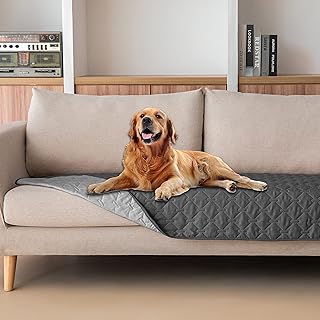
A washable pet blanket is usually the better tool when you want flexible, soft coverage. A washable pet mat is usually the better tool when the mess is tied to a specific floor area, such as food bowls, a litter box exit, a crate entrance, or a muddy doorway.
This comparison is not about naming one winner. It is about matching the format to the job so you do not end up using a sliding blanket under a water bowl or a stiff mat where your pet needs a cozy resting layer.
Quick Difference
Choose a washable pet blanket when the main problem is fur, drool, light dampness, warmth, or comfort on a sofa, bed, car seat, crate pad, or travel spot.
Choose a washable pet mat when the main problem is floor protection, bowl splash, litter scatter, doorway grit, grip, or keeping a messy area visually contained.
Option A: Washable Pet Blankets
Washable pet blankets are flexible fabric layers. They drape over furniture, fold into crates or carriers, cover car seats in a pinch, and give pets a familiar soft surface away from home.
They work best when the area is irregular or raised. A sofa cushion, guest bed, back seat, or favorite chair is hard to protect with a rigid mat, but easy to cover with a blanket that tucks around edges.
Best Fits for Blankets
- Furniture protection: sofas, armchairs, beds, and reading chairs where fur and drool collect.
- Comfort routines: pets who like a familiar nesting layer in a crate, carrier, car, or guest room.
- Flexible coverage: homes where the same item needs to move from couch to car to laundry.
- Light messes: hair, crumbs, dry dirt, and mild dampness that can be shaken out or washed.
Tradeoffs With Blankets
Blankets can slide, bunch, trap hair, and take longer to dry if they are thick or plush. They also do not create a stable feeding or litter zone. If your pet digs, chews, kneads, or drags fabric around, check edges and seams often and remove damaged fabric promptly.
Waterproof or water-resistant blankets can help protect furniture from everyday dampness, but they are still convenience items. If accidents, vomiting, mobility changes, or drinking changes are new or frequent, contact a veterinarian instead of relying on a protective layer.
Option B: Washable Pet Mats
Washable pet mats are usually flatter, grippier, and more location-specific. Some are silicone feeding mats, some are textured litter mats, some are absorbent doorway mats, and some are thin floor protectors for crates or pens.
They work best when the mess starts on the floor and repeats in the same place. A mat tells you exactly where bowls, litter scatter, wet paws, or crate-area cleanup belong.
Best Fits for Mats
- Food and water stations: splash, crumbs, bowl movement, and quick wipe-downs.
- Litter box exits: tracking control when the texture is comfortable enough for your cat to step on.
- Doorways: wet paws, grit, and cleanup after walks, rain, or yard time.
- Crate and pen areas: floor protection under or around a crate, especially where bowls or damp paws are involved.
Tradeoffs With Mats
Mats are less cozy than blankets, and the wrong texture can bother some pets. A mat that is too small becomes a target your pet steps around. A mat that is too thick may block doors, curl at the edges, or become awkward near litter boxes and feeding stations.
Pay attention to backing material, cleaning instructions, and floor compatibility. Some rubber-style backings can mark certain floor finishes if they stay damp or are left down for long periods. Lift and clean under mats regularly.
Room-by-Room Decision Guide
For sofas and beds, start with a blanket. You need soft coverage, enough fabric to tuck around cushions, and a texture your pet enjoys. If the blanket slides constantly, look for a grippier backing or pair it with a fitted furniture cover rather than switching to a floor mat.
For food and water bowls, start with a mat. A silicone or wipe-clean mat is easier to keep flat and can catch small splashes. A blanket under bowls usually absorbs water, bunches up, and creates more laundry.
For litter boxes, start with a litter mat. Texture and placement matter more than softness. If your cat avoids the mat or jumps over it, choose a softer, lower-profile option or remove it. Litter box avoidance can have medical, stress, placement, or cleanliness causes, so do not force a setup your cat dislikes.
For crates, decide whether you need comfort or floor protection. A blanket or crate mat can make the inside softer when chewing is not a concern. A washable floor mat under the crate can protect flooring from tracked-in moisture or bowl spills.
For car rides, choose by mess level. A blanket can work for light fur and familiar comfort, but a fitted car seat cover usually protects upholstery better after muddy walks. A mat is more useful in the cargo area or under a travel crate than across a bench seat.
Cleaning and Maintenance
Blankets usually mean laundry. Check whether the blanket fits your washer, releases hair, dries fully, and keeps its shape after repeated washing. Very plush blankets may feel nice but can hold fur, odors, and dampness longer than smoother fabrics.
Mats vary more. Some wipe clean, some shake out, some vacuum well, and some need machine washing. Match the cleaning method to the mess. A feeding mat should be easy to wipe daily. A doorway mat should dry quickly. A litter mat should release litter without trapping damp clumps.
For both formats, avoid strong scent buildup, make sure items are fully dry before storage, and inspect for loose seams, torn backing, or shredded edges.
Who Should Skip Each Option?
Skip a blanket if the messy area needs stable grip, a raised rim, floor-level water control, litter trapping, or a low-profile doorway surface. Also skip loose blankets for pets who chew, swallow fabric, or bunch bedding in ways that create supervision concerns.
Skip a mat if your main goal is warmth, nesting comfort, couch coverage, or a familiar travel layer. Also skip stiff or highly textured mats around pets who avoid certain surfaces, especially near food, water, litter, or rest areas.
When You Might Need Both
Many homes use both, just in different places. A blanket can protect the couch while a mat handles the feeding station. A crate may have a soft washable layer inside and a floor protector underneath. A doorway routine may use an absorbent mat at the entrance and a towel or blanket for drying off afterward.
Buying both only makes sense when each item has a clear job. If you are trying to solve one specific problem, start with the format that fits that location best.
Related Next Steps
If soft furniture coverage is the main need, use the more detailed guide to choosing washable pet blankets. If the mess is tied to bowls, litter, crates, or entryways, compare location-specific features in the guide to washable pet mats.
For a broader home setup, pair the right surface layer with a low-mess pet feeding station, a doorway cleanup station, or a more structured pet bed plan for small spaces.
Bottom Line
Choose a washable pet blanket when you need soft, flexible coverage for furniture, resting spots, travel comfort, or light messes. Choose a washable pet mat when you need grip, floor protection, splash control, litter tracking help, or a defined cleanup zone.
The best choice is the one that makes the messy area easier to maintain without making your pet avoid, chew, slide on, or fight the setup.