
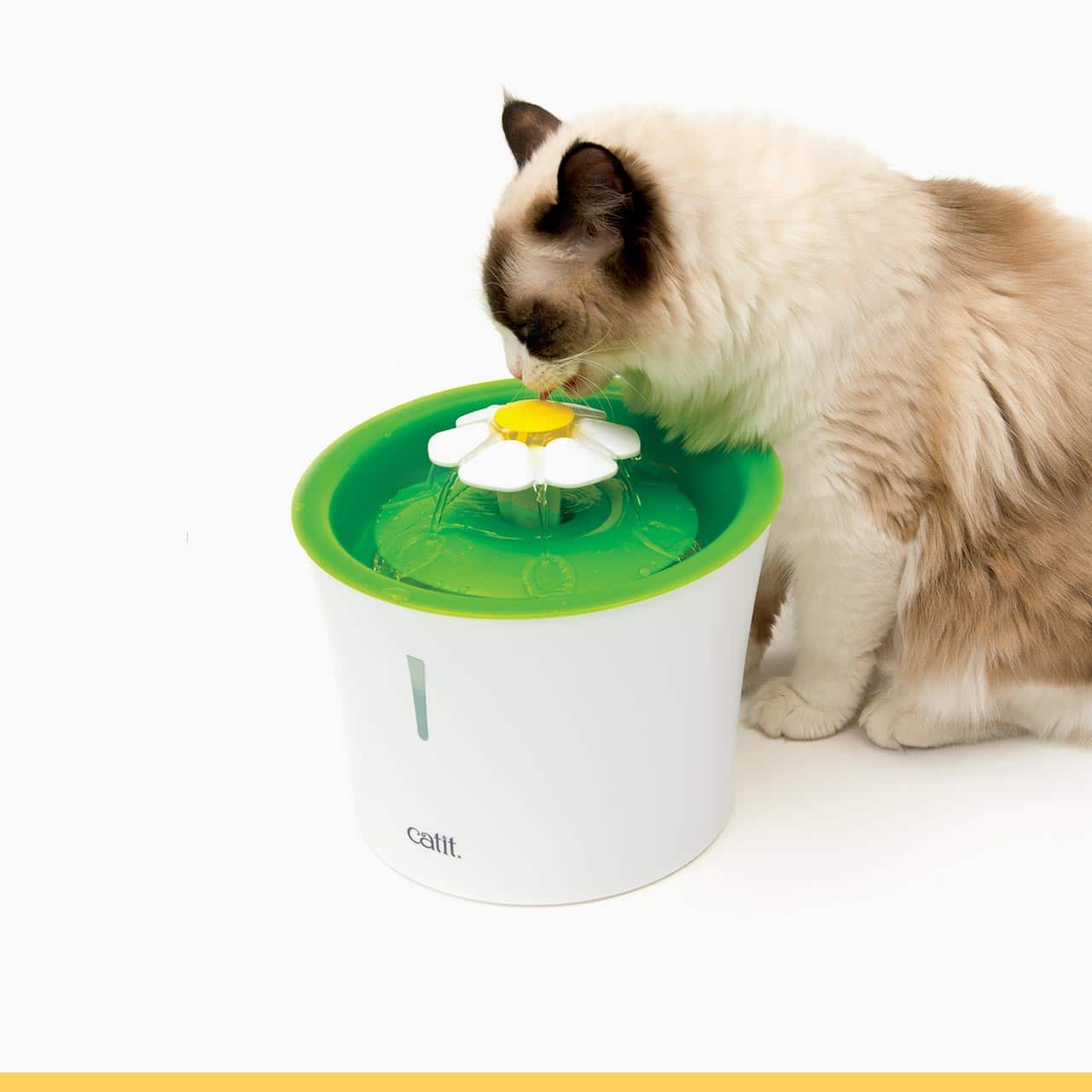
 Catit Flower Fountain
 PetSafe Drinkwell Platinum Fountain
This is a practical buying framework, not a hands-on test or veterinary recommendation. If your pet is drinking much more or much less than usual, avoiding water, vomiting, acting weak, urinating differently, or showing any worrying change, contact a licensed veterinarian instead of trying to solve it with a fountain.
Best Overall Fit: Veken 95oz Stainless Steel Pet Fountain
For many homes, the Veken 95oz stainless steel fountain is the named product to compare first because it matches the most practical brief: a stainless basin, moderate capacity, and a shape that is not trying to turn the water station into a sculpture. Wide basins are easier to reach with a sponge, less likely to hide residue in narrow towers, and more forgiving when pets drink from the edge rather than the exact intended spot.
Look for a top and bowl section that lift apart cleanly, smooth corners, and a shape that does not require tiny brushes for every surface. A simple fountain that gets washed regularly is usually a better fit than a feature-heavy design that slowly becomes unpleasant to maintain.
Best for Pump Maintenance: Pioneer Pet Raindrop Stainless Steel 60oz
The Pioneer Pet Raindrop stainless steel fountain is a useful compact comparison when pump access and weekly cleaning matter more than a giant reservoir. The pump is where hair, food crumbs, mineral buildup, and residue can collect, so choose a fountain where the pump comes out without force and where the intake area is visible enough to rinse, wipe, and inspect.
Check the manual before buying if possible. You want clear instructions for removing the pump cover, rinsing the impeller area, and reassembling the fountain without guessing. If a pump looks sealed away behind awkward plastic channels, the fountain may be less easy-clean than the listing suggests.
Best for Multi-Pet Homes: PetSafe Drinkwell Platinum
The PetSafe Drinkwell Platinum is the larger-reservoir product to compare if several pets share one station or you want fewer normal refills. Its listing describes a 168oz capacity, removable back reservoir, adjustable stream, and top-rack dishwasher-safe fountain parts, with the pump washed separately by hand.
Capacity does not replace cleaning, though. Multi-pet fountains can collect hair and debris faster, so the best version is one you can empty, wash, refill, and put back together without turning the sink into a project.
Best for Cats Who Like Flow Choices: Catit Flower Fountain
The Catit Flower Fountain is the named comparison for cats who may prefer different water movement. Catit describes three water-flow settings, which can be useful when you are trying to find a calmer stream, bubbling top, or more visible flow without buying several fountains.
Noise-sensitive pets may also prefer a gentler surface. Introduce the fountain while it is clean, full, and placed somewhere calm. If your pet avoids it, keep a familiar bowl available and do not pressure them toward the moving water.
Best for Filter Simplicity: A Fountain With Easy-to-Find Replacement Filters
Filters can catch debris and may help with taste depending on the design, but they do not make the fountain self-cleaning. A good filter setup is easy to remove, easy to seat correctly, and easy to replace without hunting for a discontinued part.
Before choosing a fountain, check the filter shape, replacement cost, package size, and whether the manufacturer gives a clear replacement schedule. If filter availability is uncertain, the fountain may be frustrating even if the basin itself is easy to wash.
Best for Small Spaces: A Compact Fountain With a Sensible Cord Path
Small kitchens, apartments, and laundry corners need a fountain that fits the floor plan, not just the pet. A compact square or round basin can work better than a wide decorative fountain if it leaves room for bowls, mats, doors, and people walking through.
Pay attention to the cord. It should reach the outlet without crossing a walkway, sitting under a rug, or tempting a pet who chews. If you cannot place the cord safely, a regular bowl may be the better low-maintenance choice. If the location works but the route needs simple guidance, compare cord clips, removable sleeves, and cable boxes for fountain setups without treating any organizer as a safety fix.
Selection Criteria That Matter
Start with the cleaning routine, then compare features. A pet fountain only helps if clean water, clean parts, and reliable placement fit your actual week.
- Basin shape: Wide, smooth basins are usually easier to scrub than towers, tight channels, and decorative grooves.
- Pump access: Choose a pump that removes easily and has clear cleaning instructions for the intake and impeller area.
- Material: Stainless steel can be durable and wipeable; ceramic is sturdy but heavy; plastic is light but can scratch over time.
- Filter routine: Confirm replacement filters are available, affordable for your routine, and easy to install correctly.
- Capacity: Match normal daily water needs and the number of pets without using a large reservoir as an excuse to delay cleaning.
- Noise: Consider pump hum, water trickle, low-water gurgling, and whether the fountain sits near sleeping or working areas.
- Cord setup: Check outlet location, trip risk, chewing risk, and whether the cord can stay dry and out of traffic.
- Pet temperament: Cautious pets may need a quiet, low-flow design introduced gradually with a normal bowl still available.
Comparison Framework
Use this framework to match the fountain style to the real maintenance problem in your home.
- Wide-basin fountains: Best first choice for owners who want simple washing and fewer hidden residue spots.
- Fully removable-pump fountains: Best for long-haired pets, hard-water homes, and anyone who wants to inspect the pump regularly.
- Stainless steel fountains: Best for sturdy everyday use, multi-pet homes, and owners who dislike scratched plastic.
- Low-flow quiet fountains: Best for nervous pets, bedrooms, offices, and homes where pump noise would make the product annoying.
- Compact fountains: Best for small kitchens and apartments where cord path, floor space, and mat placement matter.
Who Should Skip a Fountain for Now
Skip a fountain if you know you will not clean the pump, replace filters, or refresh water regularly. A simple stainless steel bowl that gets washed daily is often better than a fountain with old water and clogged parts.
Also pause before buying if your pet has sudden thirst changes, urinary changes, vomiting, lethargy, dehydration concerns, kidney disease, diabetes, or any condition where water intake is part of veterinary care. A fountain may be useful later, but the health question comes first.
How This Fits With Your Feeding Area
If you are still deciding whether a fountain is worth the upkeep at all, start with whether a pet water fountain is worth it. If you already own one, compare fountain cleaning brush kits for its pump, tube, and seams. If you need a deeper buying checklist, use the guide to choosing an easy-clean pet water fountain. For the surrounding setup, a low-mess pet feeding station can help with mats, bowl placement, food storage, and daily wiping.
New pet owners can use the starter pet supplies guide to decide whether a fountain belongs on day one or whether a simple bowl is enough while the household routine settles.
The Bottom Line
For most pet owners, the best easy-clean fountain is a wide-basin design with a removable pump, washable parts, clear filter availability, and a cord path that works safely in the room. Choose stainless steel for sturdy daily use, a quiet low-flow design for sensitive pets or rooms, and a compact shape when space is tight.
The right fountain should make clean water easier to offer, not create another chore you avoid. If the fountain is hard to disassemble, noisy, awkward to place, or too fussy to wash, a clean bowl is the calmer choice.