
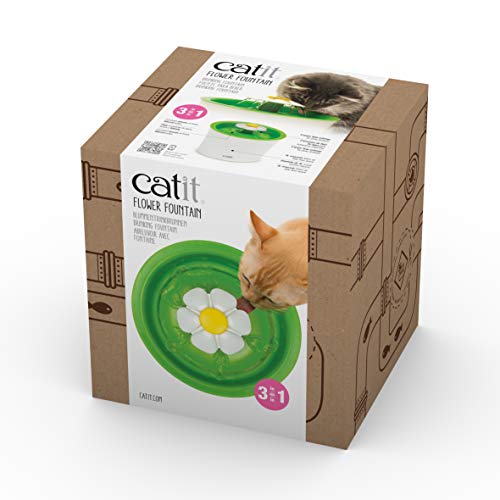
 Catit Flower Fountain
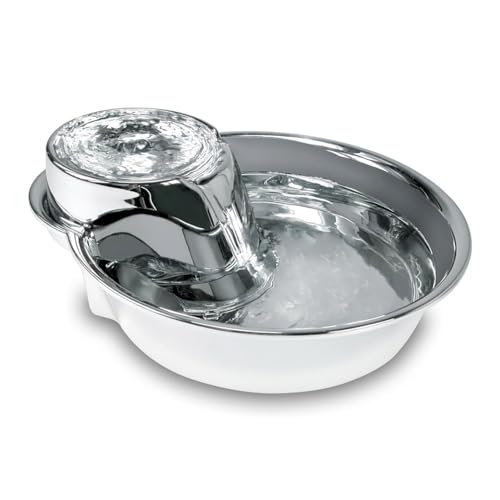 Pioneer Pet Raindrop Stainless Steel Fountain
This page is a practical purchase decision guide, not veterinary advice or a claim that fountains improve a pet's health. If your cat or dog suddenly drinks much more, drinks much less, avoids water, urinates differently, vomits, seems weak, or shows any worrying change, contact a licensed veterinarian instead of trying to solve it with a product.
Quick Decision: Buy, Skip, Delay, or Choose a Bowl
Buy a fountain if your pet seems comfortable with moving water, you want a larger drinking station, you can place the cord safely, and you are willing to wash the basin and pump on a real schedule.
Skip it if you dislike taking small appliances apart, have a pet who chews cords, need a sitter-proof setup, or already keep a stainless steel bowl clean without trouble.
Delay the purchase if your pet is new to your home, if drinking habits recently changed, or if you have not decided where the fountain can sit without creating a trip, splash, or outlet problem.
Choose a bowl instead when reliability matters more than features. A clean, easy-to-wash bowl is often the calmer choice for travel, sitters, nervous pets, and owners who want the fewest parts possible.
A Practical Fit Check Before You Shop
Before comparing fountain styles, answer a few plain questions about the room, the pet, and the person who will clean it. A fountain that fits the household should make daily water care easier, not more fragile.
- Where will it sit? The best spot has a level floor, a dry outlet path, no tight walking lane, and enough clearance for refills and washing.
- Who cleans it? If one person will handle the pump, filters, and basin, choose the simplest removable-pump design you can find.
- What happens when you travel? Pet sitters, boarding routines, and weekend trips often work better with a familiar backup bowl.
- How does your pet react to novelty? Cautious pets may need the fountain introduced beside a regular bowl instead of replacing the bowl overnight.
- What problem are you solving? Extra capacity, less splash, or moving water preference are different needs, and each may point to a different setup.
When a Pet Water Fountain Is Worth It
A fountain can be a good fit when it solves a clear household problem. Some pets prefer a bubbling surface or gentle stream. Some owners like having a wider basin and a larger water station than a small bowl. Multi-pet homes may appreciate the extra capacity, as long as cleaning keeps up with the extra hair, dust, and debris.
It is also worth considering if you are already building a cleaner feeding area. In that case, a fountain can sit alongside a washable mat, tidy food storage, and a practical bowl layout instead of becoming a random gadget in the corner. For the broader setup, see the guide to a low-mess pet feeding station.
The Tradeoffs That Decide the Purchase
The real cost of a fountain is not just the price on the box. It is the cleaning routine, replacement filters, pump care, safe placement, and whether the sound or splash fits your home.
- Cleaning time: Basins, lids, spouts, and pump areas need regular washing. Narrow channels and decorative towers usually take longer.
- Filter cost: Filters can catch debris, but they do not make the fountain self-cleaning. Check replacement availability before buying.
- Pump access: A removable pump with clear cleaning instructions is easier to maintain than one hidden behind awkward plastic pieces.
- Noise: Pump hum, trickling water, and low-water gurgling may be annoying in bedrooms, offices, and quiet apartments.
- Cord placement: The cord needs a dry, out-of-the-way path that pets cannot chew and people will not trip over.
- Capacity: More capacity can help, but it should not become a reason to leave water sitting too long between cleanings.
- Pet comfort: Cautious pets may avoid moving water, reflections, motor noise, or unfamiliar floor placement.
Who Should Skip a Fountain
Skip a fountain if you want the lowest-maintenance water setup. A regular stainless steel or ceramic bowl is inexpensive, easy to wash, easy to replace, and simple for a pet sitter to understand.
Also skip or pause if your pet chews cords, tips bowls for fun, paws aggressively at water, or gets stressed by appliance noise. A fountain may create more mess than it solves. If you still want to try one later, start with a stable, quiet, easy-clean design and keep a familiar bowl available.
Do not use a fountain purchase to postpone professional care. Sudden thirst changes, new accidents, vomiting, lethargy, appetite changes, or signs of discomfort deserve a veterinarian's guidance.
Red Flags Before You Buy
Be careful with fountains that look attractive but hide the parts you must clean. Tiny channels, fixed decorative towers, unclear pump removal, hard-to-find filters, vague cleaning instructions, and proprietary parts can turn a simple purchase into a maintenance problem.
Watch for product claims that make the fountain sound like a health solution. A fountain can be a convenience item that some pets enjoy, but it should not be treated as a substitute for veterinary advice about hydration, urinary changes, kidney disease, diabetes, vomiting, or any medical concern.
What to Look for If You Decide to Buy
Choose the simplest fountain that fits your pet and room. Wide basins are easier to scrub. Smooth surfaces are easier to wipe. Stainless steel can be durable for everyday use, while ceramic can be sturdy but heavy. Plastic may be affordable and light, but scratches can make thorough cleaning harder over time.
Before buying, confirm that the pump comes out, filters are easy to find, the basin size fits your pet, and the cord can reach an outlet safely. If your main issue is splashing instead of moving-water preference, compare no-spill pet bowl styles for messy drinkers before adding a pump.
If you want a deeper shopping framework, use the guide to choosing an easy-clean pet water fountain, then compare specific options in best pet water fountains that are easy to clean.
Cheaper or Simpler Alternatives
A second water bowl may solve the real problem if your home is large or your pet spends time in different rooms. A larger bowl can help if you are refilling constantly. A non-slip mat can handle splashes without adding a pump. For some pets, a clean bowl in a quieter location is more useful than moving water.
New pet owners should also consider waiting. The starter pet supplies guide can help you decide what belongs in the first setup and what can wait until your routine is clearer.
Bottom Line
A pet water fountain is worth it if it fits your cleaning habits, your pet is comfortable using it, replacement parts are realistic, and the cord can be placed safely. It is not worth it if the extra parts make water care less consistent.
When in doubt, choose the setup you will keep clean every day. For many homes, that is a simple bowl. For others, a quiet, wide-basin fountain with an accessible pump can be a useful convenience.