This guide is a buying framework for everyday cleanup supplies. It does not diagnose skin problems, treat odor, manage allergies, or replace advice from a licensed veterinarian. If your pet has redness, sores, swelling, repeated licking, a strong unusual odor, pain, or sudden coat changes, pause the product search and ask a veterinarian.
Best Overall Fit: Large Fragrance-Free Wipes in a Resealable Pack
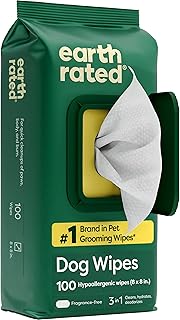
For most pet owners, a large fragrance-free wipe is the most useful starting point. It gives you enough surface area for paws, lower legs, and a small muddy spot without needing three or four tiny sheets.
Look for a package that seals tightly after opening. Wipes that dry out halfway through the pack are frustrating, wasteful, and less useful when you need a fast cleanup at the door or after a car ride.
Best for Doorway Routines: Textured Paw Wipes
A lightly textured wipe can help lift damp dirt from paw pads, nails, and lower legs after a normal walk. The texture should feel sturdy, not scratchy, and it should stay together while you wipe.
Keep a towel nearby for heavy mud. Wipes are convenient for small messes, but a very wet or gritty paw usually needs a towel, rinse, or bath routine so you are not rubbing debris into the coat or paw pads.
Best for Cars and Outing Bags: Compact Travel Packs
Travel packs are useful for short errands, park visits, and muddy paws before your pet climbs back into the car. Choose a pack that fits your walking bag, car cleanup kit, or glove-box routine without bursting open.
The tradeoff is size and value. Compact packs often have fewer wipes and smaller sheets, so they are best as backup cleanup rather than the only supply for a muddy dog after a wet trail walk.
Best for Sensitive Households: Unscented Wipes With Plain Labeling
If you are sensitive to fragrance or your pet dislikes strong smells, start with unscented or fragrance-free labeling. Avoid choosing a wipe mainly because it smells fresh; scent can make a room feel cleaner without actually solving the mess.
Be cautious with soothing, deodorizing, or sensitive-skin wording. Those labels can be helpful shopping clues, but they are not a reason to ignore irritation, recurring odor, or skin changes that need professional attention.
Selection Criteria That Matter
Choose pet wipes around the mess you actually clean, where you use them, and what your pet tolerates calmly.
- Wipe size: Larger sheets are better for paws, lower legs, and car cleanup; smaller sheets are fine for quick touchups.
- Texture: Light texture helps with surface dirt, while very thin wipes can bunch, tear, or smear mud.
- Fragrance: Fragrance-free or unscented options are usually easier to live with for routine cleanup.
- Packaging seal: A firm flip-top or reliable reseal helps prevent dry wipes, especially near the doorway or in a car.
- Ingredient label: Read the full label and manufacturer cautions, especially around eyes, ears, irritated skin, and frequent use.
- Disposal: Follow the package directions and local waste rules. Do not flush wipes unless the product and your plumbing guidance specifically support it.
- Pet tolerance: If your pet pulls away, licks constantly afterward, or seems uncomfortable, stop and reassess the routine.
- Storage: Keep wipes closed, away from heat, and out of reach of pets who might chew packaging.
Comparison Framework
Use the wipe style to match the cleanup moment, not a vague promise of freshness.
- Large everyday wipes: Best for paws, lower legs, and small coat spots after normal walks.
- Textured paw wipes: Best for damp dirt around paw pads when a towel alone is not enough.
- Travel packs: Best for car rides, errands, and walking bags where space matters.
- Fragrance-free wipes: Best for households that prefer low-scent cleanup and simpler routines.
- Deodorizing wipes: Best treated cautiously; they may help with surface odor, but they should not mask recurring or unusual smells.
Who Should Skip Pet Wipes for Now
Skip wipes as the main solution if your pet has irritated skin, open spots, swelling, hot areas, heavy odor, persistent licking, or a sudden change in coat or paw comfort. Those are reasons to call a veterinarian instead of trying another scented or specialty wipe.
Also skip routine wipes if your pet becomes stressed by paw handling. Slow handling practice may help some pets, but fear, snapping, guarding, or escalating distress deserves guidance from a certified trainer or qualified professional.
Where Wipes Fit in a Cleanup Routine
Pet wipes work best as one small part of a cleanup setup. Keep them by the door with a towel, washable rug, and waste bin so muddy paws can be handled before dirt reaches the sofa or car seat.
For a fuller setup, read our guide to a doorway cleanup station for pets. If most messes start at the entry, compare washable rugs for pet entryways. If paw mud turns into carpet or upholstery stains, use the pet stain remover choosing guide instead of relying on wipes alone. For car outings, a simple pet cleanup kit for car rides and day trips can keep wipes, towels, bags, and water in one place.
The Bottom Line
For everyday muddy paws and quick cleanup, start with large fragrance-free wipes in packaging that seals well. Add texture if paw mud is the main issue, and keep travel packs for cars and walking bags.
Wipes should make small messes easier, not hide health concerns or replace a better cleanup method. If the mess is heavy, gritty, smelly, irritating, or recurring, use a towel, rinse, bath routine, veterinarian, or qualified professional instead of pushing wipes beyond their job.