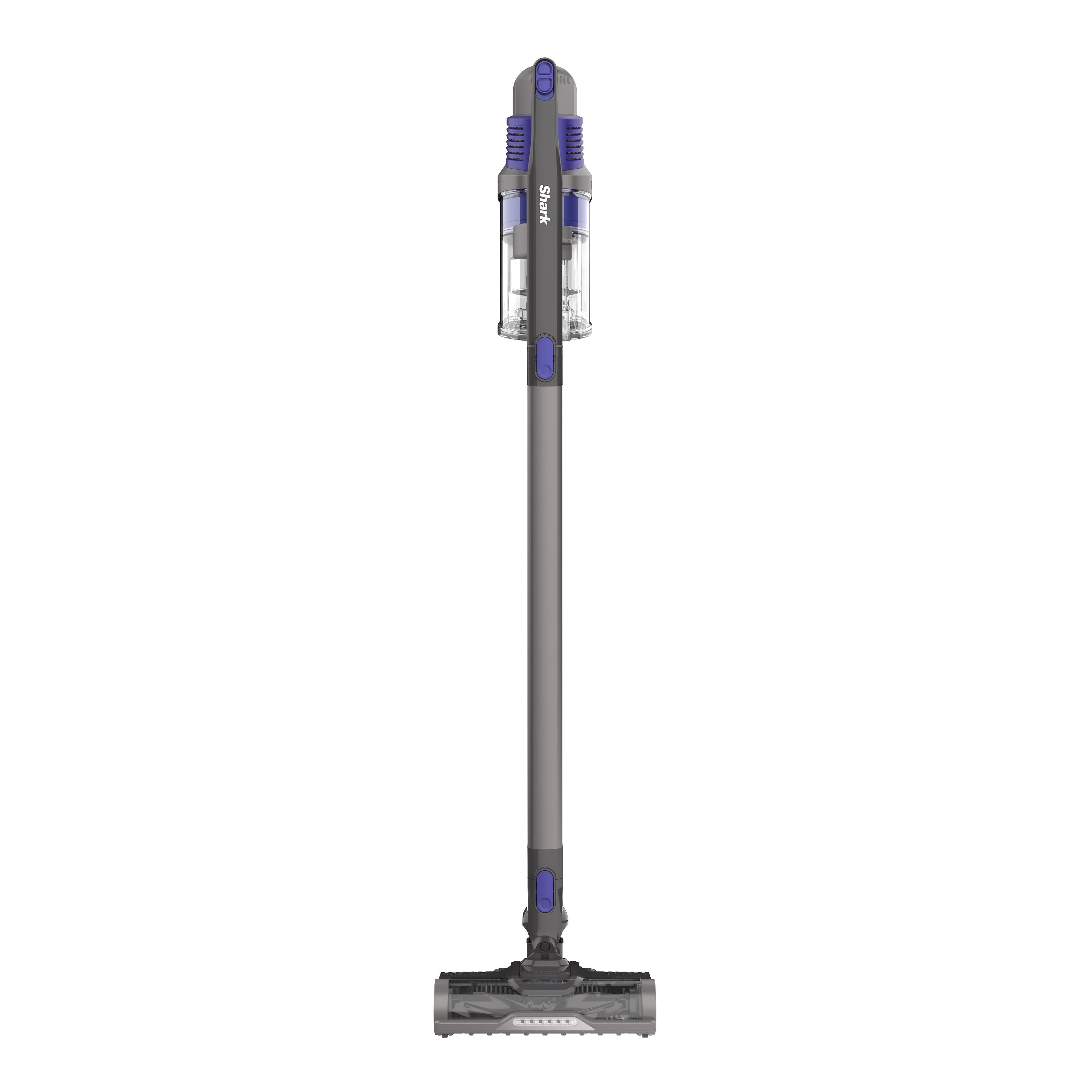
 Shark Pet Cordless Stick Vacuum IX141
Quick Decision
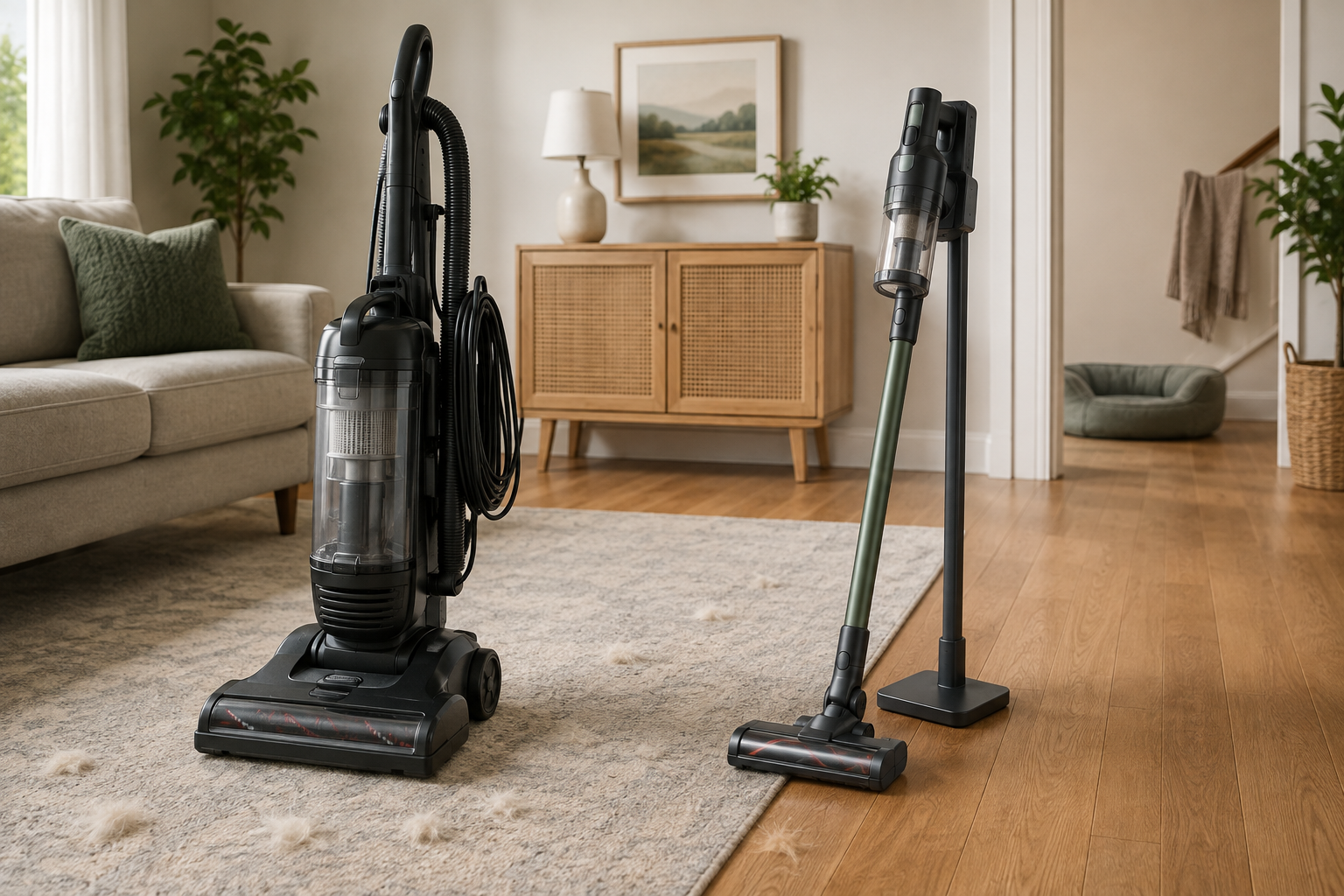
Choose corded if you routinely clean several rooms at once, have carpet plus hard floors, need a hose for edges or furniture, and have accessible outlets. Continuous wall power avoids planning around a battery, though the cord and heavier body add setup and storage work.
Choose cordless if most jobs are short passes over visible fur, crumbs, or tracked litter and a light machine can live near the mess. Battery condition, charge location, smaller bins, and replacement cost become part of ownership.
Skip buying either for now if a broom, dust mop, reusable hair tool, or your current vacuum already handles the area. A second machine only helps when its format removes a real obstacle in your routine.
Corded Vacuums: Better for Longer, Planned Sessions
A corded upright or canister can keep running while you move through multiple rooms. That makes the format easier to plan around when fur collects across a larger home, carpets need slower passes, or upholstery and edges require several tools. Compare the working reach—the power cord plus hose or wand—not cord length alone.
The tradeoff is handling. You need suitable outlets, must move or rewind the cord, and may carry a heavier body between floors. Check whether the cord crosses a normal walking route and put pets in a comfortable separate area when movement, noise, or the trailing cable concerns them. Unplug before clearing the brush roll or performing maintenance described in the manual.
Cordless Vacuums: Better for Short, Frequent Pickup
A cordless stick is easier to grab for a small patch of fur or scattered litter because there is no outlet step. Low weight and compact storage can matter in an apartment, a home with stairs, or a routine built around five-minute resets. A model that converts to handheld use may also reach sofa seams or stair edges, but compare its weight in that configuration.
Do not treat a listed maximum runtime as the time you will always get. Power mode, floor head, battery age, temperature, and tool use can change a session. Check the manufacturer’s stated conditions, charging instructions, battery warranty, and whether a replacement battery is available for the exact model. Store the charger and adapter away from water bowls and chewing access.
Match the Format to Your Surfaces
- Mostly hard floors: prioritize a head approved for each finish, easy steering, edge reach, and a design that gathers loose fur rather than pushing it forward.
- Area rugs and carpet: confirm the floor head, height or suction controls, and brush-roll guidance suit the rug or carpet maker’s instructions.
- Upholstery and stairs: check the actual tool bundle, hose or wand reach, and the weight you will hold. Delicate or damaged fabric may need a manual tool instead.
- Litter areas: use manufacturer-approved settings and avoid pulling large or wet debris into a machine that is not designed for it.
Neither power format proves cleaning performance on every surface. The head, airflow path, seals, brush design, and maintenance condition matter, so compare current manufacturer information for the exact model.
Measure Reach, Weight, and Storage
For a corded model, identify usable outlets and measure the route to the farthest edge of each room. Note furniture turns and stairs rather than assuming the longest listed cord solves every reach problem. For cordless, time one ordinary cleanup session with your current tool; that gives you a more useful runtime target than guessing from home size.
Compare complete operating weight, not just the detachable portion. Then measure the closet, wall, or floor space. Some cordless machines do not stand independently, and some docks require wall mounting. A corded upright may stand securely but need extra width for a hose and attachments.
Maintenance and Ownership Tradeoffs
Both formats need brush-roll checks, filter care, bin or bag changes, and debris-path inspection. Follow the manual on washing filters and allow washable parts to dry for the stated time before reassembly. Look up replacement filters, bags, belts, floor heads, and batteries for the exact model number before purchasing.
A cordless battery is a wear item, while a corded machine adds a power cord that should be checked for damage and kept out of chewing reach. Stop using any vacuum with a damaged cord, plug, battery, charger, unusual heat, odor, or sound, and follow the maker’s service guidance. A vacuum is a cleanup convenience, not a health or allergen solution.
Who Should Skip Each Format?
Skip a large corded upright if carrying weight, limited outlets, narrow storage, or a trailing cable makes the machine unlikely to leave the closet. Skip cordless if you need uninterrupted whole-home cleaning, have no safe charging spot, or the likely battery and filter replacements do not fit your ownership budget.
If the real problem is fur embedded in one sofa or car seat, a whole-home vacuum may be excessive. Compare manual pet-hair removers for fabric or handheld vacuums for stairs and cars instead.
Bottom Line
Corded suits longer sessions, broader surface coverage, and owners who value continuous power over easy carrying. Cordless suits frequent spot cleanup, compact storage, and homes where a lighter grab-and-go tool will be used more consistently. Compare the working area, surfaces, weight, maintenance access, replacement parts, and safe storage before choosing.
Already leaning cordless? Use the cordless vacuum guide for hard-floor pet hair to compare floor heads, bins, filters, batteries, and storage in more detail. Browse the cleanup guide hub for the broader pet-hair and everyday-mess path.